Material Overview
TPU and TPE Rubber-like Materials for Custom Molded Parts
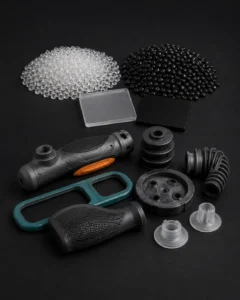
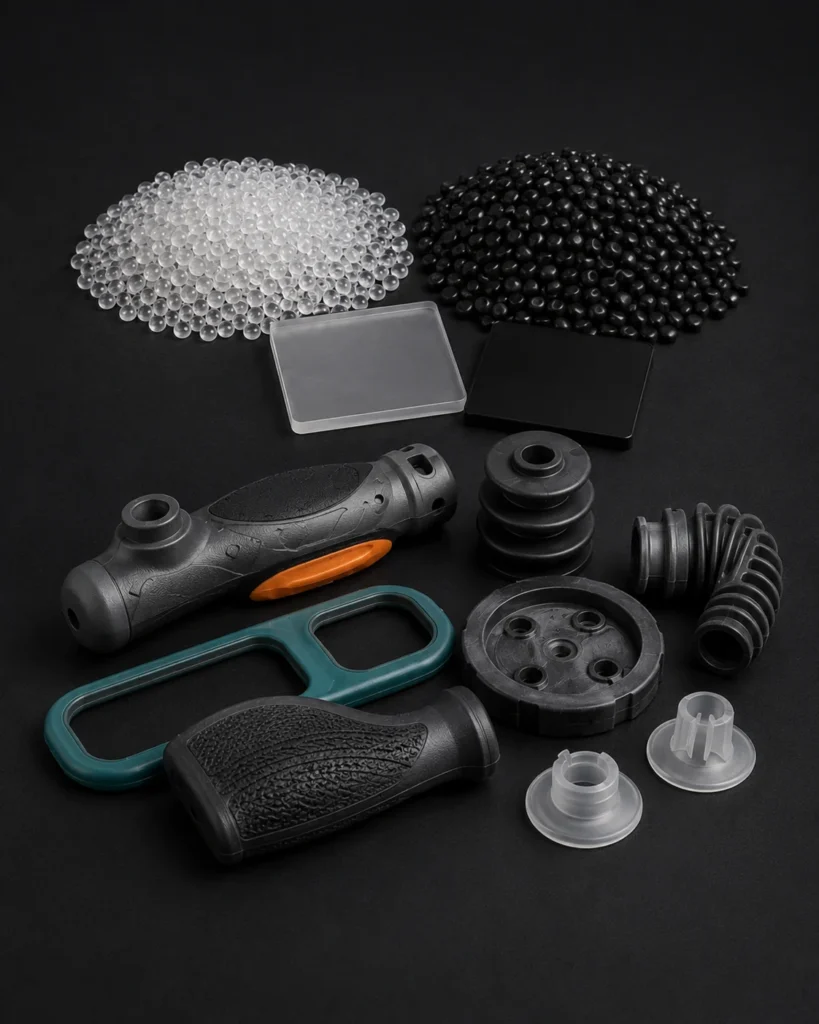
TPU and TPE are flexible rubber-like thermoplastic materials used for custom molded parts that require soft-touch feel, elasticity, anti-slip performance, sealing, shock absorption, or improved handling comfort.
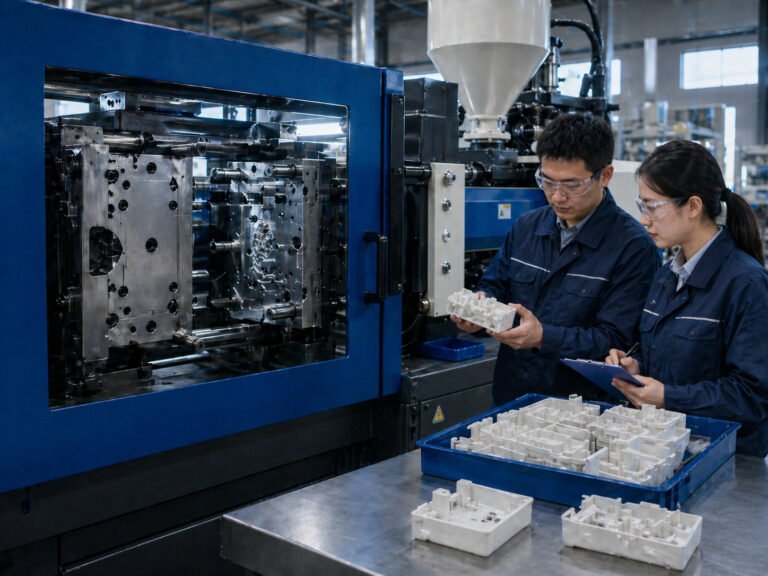
Yinuo Mold supports TPU and TPE material review, mold design, injection molding, overmolding, insert molding, trial molding, low-volume production, and mass production for custom rubber-like plastic parts.
What Are TPU and TPE Materials?
TPU and TPE are thermoplastic elastomer materials. They can provide rubber-like flexibility while still being suitable for plastic injection molding and overmolding processes.
TPU is often selected when a part needs better wear resistance, tear resistance, oil resistance, or toughness. TPE is commonly used for soft-touch surfaces, comfortable grips, anti-slip areas, and flexible molded features.
TPU and TPE Material Advantages
- Soft-touch and rubber-like surface feel
- Good flexibility and elastic recovery
- Anti-slip and comfortable grip performance
- Suitable for overmolding with selected rigid plastics
- Good impact absorption and vibration reduction
- Custom hardness and color options depending on resin grade
- Suitable for functional and appearance plastic parts
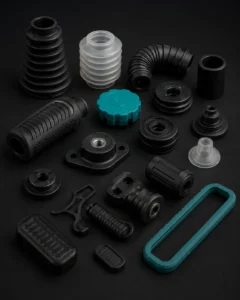
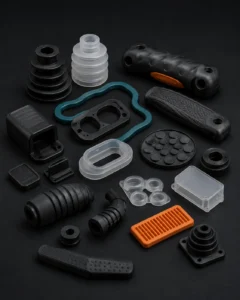
Typical TPU and TPE Molded Parts
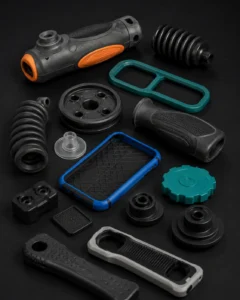
- TPE overmolded handles and grips
- TPU protective covers
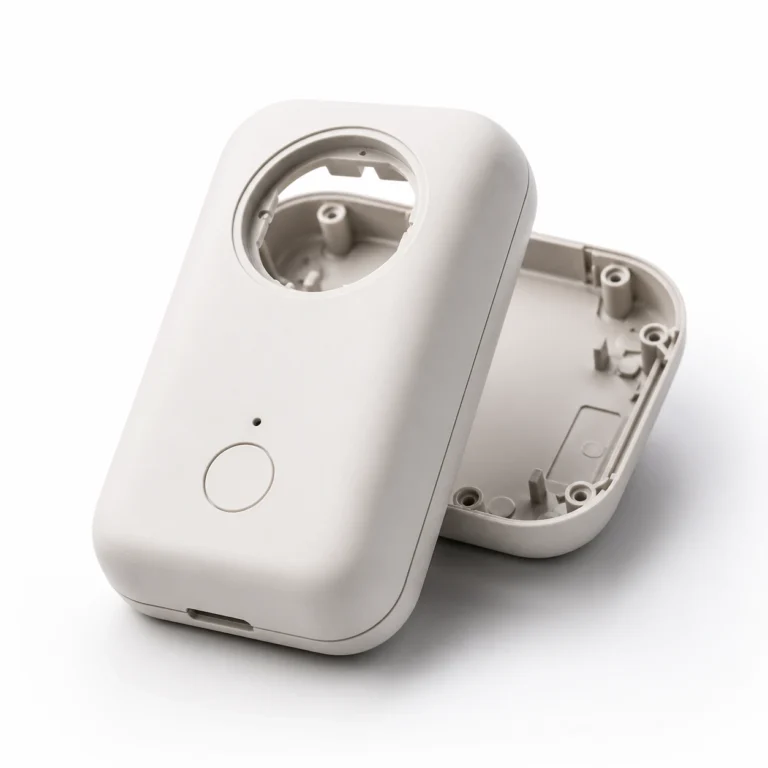
- Soft-touch plastic housings
- Flexible seals and gasket-like parts
- Anti-slip pads and contact surfaces
- Electronic connector components
- Industrial equipment covers
- Automotive interior plastic components
- Home appliance soft-touch parts
- Custom insert molded assemblies
TPU and TPE for Overmolding
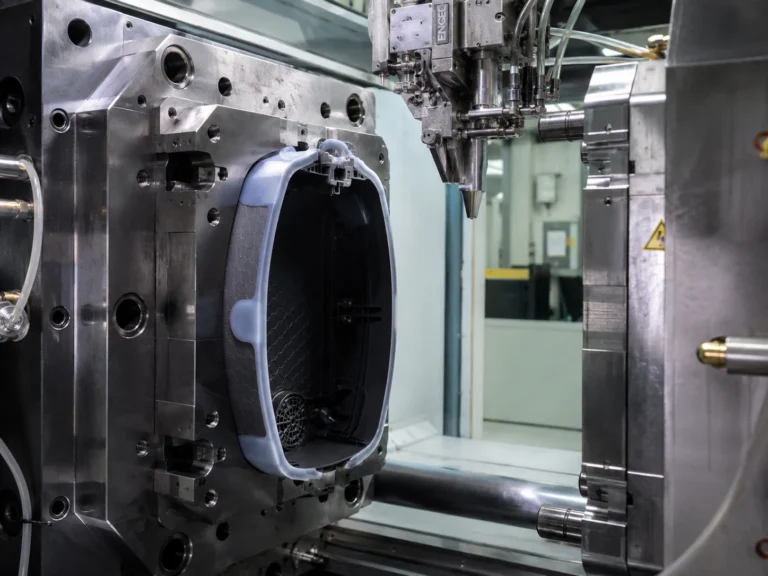
TPU and TPE are commonly used in overmolding projects. A soft elastomer material can be molded over a rigid plastic substrate to improve grip, comfort, sealing, protection, and product appearance.
Common substrate materials include ABS, PC, PP, nylon, and other engineering plastics. Material compatibility, bonding strength, overmold thickness, gate location, shrinkage, and mold structure should be reviewed before mold making.
TPU and TPE for Insert Molding
TPU and TPE can also be used in insert molding or functional molded assemblies where flexible areas, sealing zones, or protective features are required around inserts, connectors, or other components.
For insert molded parts, insert position, material compatibility, wall thickness, bonding area, deformation risk, and final assembly requirements should be reviewed during the design stage.
TPU, TPE, and Liquid Silicone Rubber
TPU and TPE are thermoplastic rubber-like materials, while liquid silicone rubber is a different silicone-based material system. They may appear similar in flexibility, but their processing methods, material properties, temperature resistance, bonding behavior, and application range can be different.
If your project requires liquid silicone rubber molding, silicone rubber injection molding, or silicone rubber molded parts, the material and production process should be reviewed separately before quotation.
Design Considerations
When designing TPU or TPE molded parts, important factors include material hardness, wall thickness, bonding area, undercuts, parting line, gate location, shrinkage, surface texture, deformation risk, color requirements, and assembly conditions.
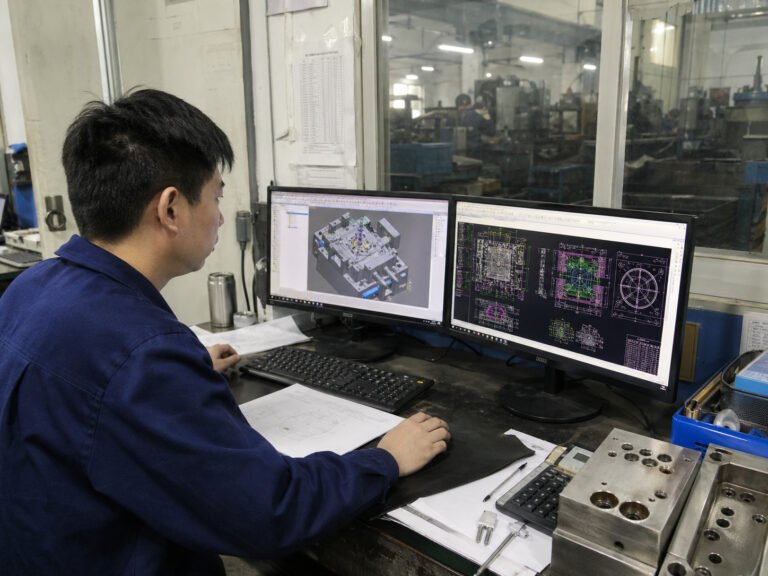
For overmolded parts, we recommend providing 2D drawings, 3D files, base material information, overmold material requirements, hardness target, expected production quantity, and application environment.
Typical Applications
- Consumer electronics components
- Tool handles and soft grips
- Automotive interior components
- Industrial equipment plastic parts
- Home appliance components
- Connector seals and protective covers
- Anti-slip and shock-absorbing parts
- Custom functional plastic assemblies
Request TPU or TPE Molded Parts Quote
Send us your 2D drawings, 3D files, material requirements, hardness requirements, surface texture, quantity, tolerance notes, and application details. Our team will review the material selection, mold feasibility, and production process for your TPU or TPE molded parts project.