Material Overview
PP Material Parts for Custom Injection Molding
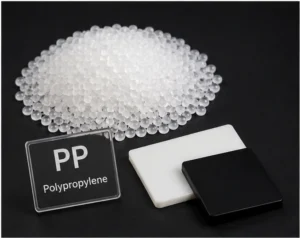
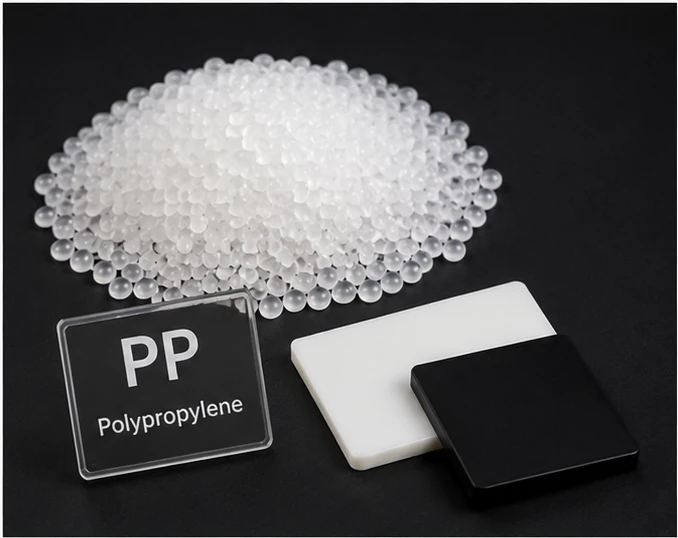
PP, also known as polypropylene, is a lightweight thermoplastic material widely used for custom injection molded parts and functional plastic components. It offers good chemical resistance, low density, fatigue resistance, electrical insulation, and cost-effective molding performance.
Yinuo Mold supports PP material review, mold design, plastic injection molding, prototype review, low-volume production, and mass production for custom polypropylene parts based on customer drawings, 3D files, material requirements, tolerance needs, surface finish requirements, and application conditions.
What Is PP Material?
PP is a general-purpose thermoplastic material commonly selected when a plastic part needs to be lightweight, chemically resistant, cost-effective, and suitable for repeated flexing or living hinge designs.
Compared with some rigid engineering plastics, PP has lower density and good processing performance. It is often used in consumer products, automotive components, home appliance parts, packaging-related components, industrial plastic parts, and functional molded assemblies.
Advantages of Polypropylene Parts
- Lightweight material with low density
- Good chemical resistance
- Low moisture absorption
- Good fatigue resistance for living hinge designs
- Good electrical insulation performance
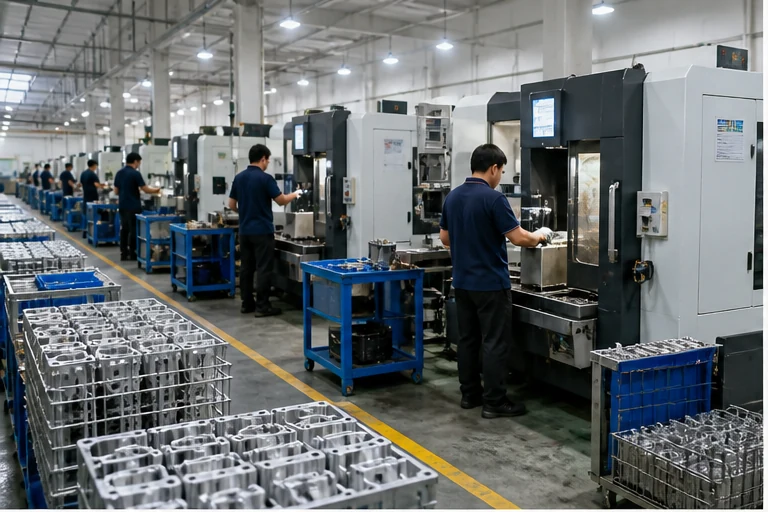
- Suitable for injection molding and mass production
- Cost-effective for many functional plastic parts
- Available in natural, black, white, and custom colors depending on resin grade
PP Injection Molding
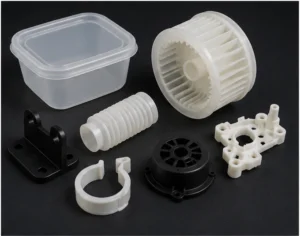
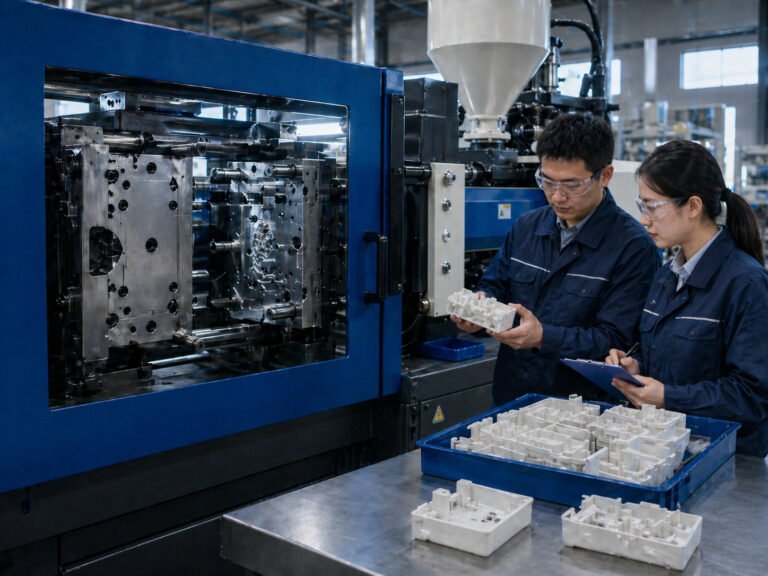
Polypropylene injection molding is commonly used to produce plastic covers, housings, caps, clips, brackets, living hinge parts, containers, appliance components, automotive plastic parts, and industrial plastic components.
PP injection molding requires proper mold design, gate location, cooling design, shrinkage control, wall thickness review, and parting line planning. For parts with snap-fit features, living hinges, ribs, bosses, or assembly requirements, the structure should be reviewed before mold making.
PP Mold and Tooling Considerations
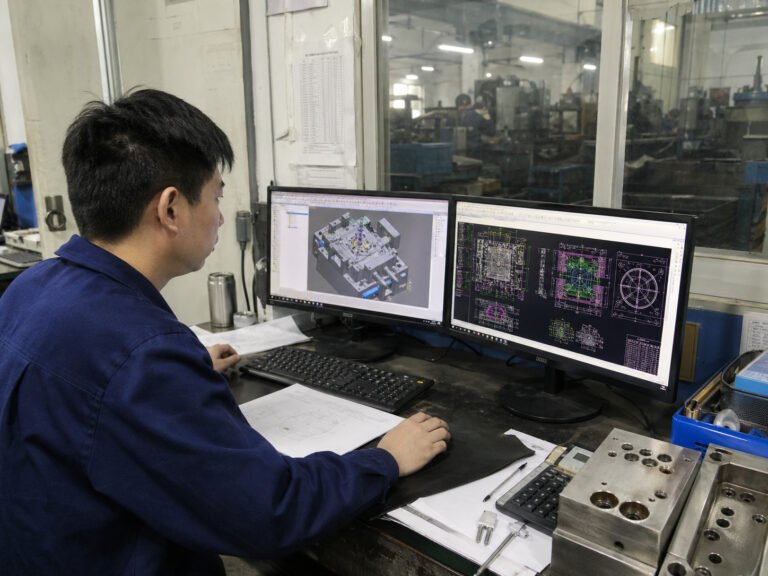
For PP mold projects, important design factors include shrinkage, warpage risk, wall thickness, rib design, hinge structure, gate position, ejector layout, surface texture, and final assembly requirements.
Customers are encouraged to provide 2D drawings, 3D files, material grade requirements, color requirements, surface finish requirements, tolerance notes, and expected production quantity before mold design and quotation.
PP Parts We Can Support
- PP injection molded covers
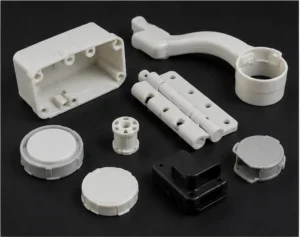
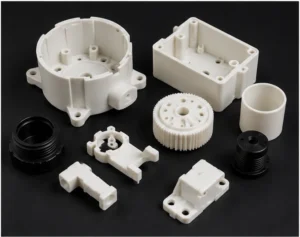
- Polypropylene housings and enclosures
- Plastic caps and lids
- Snap-fit plastic parts
- Living hinge components
- Lightweight plastic brackets
- Home appliance plastic parts
- Automotive interior plastic components
- Industrial plastic parts
- Custom functional plastic assemblies
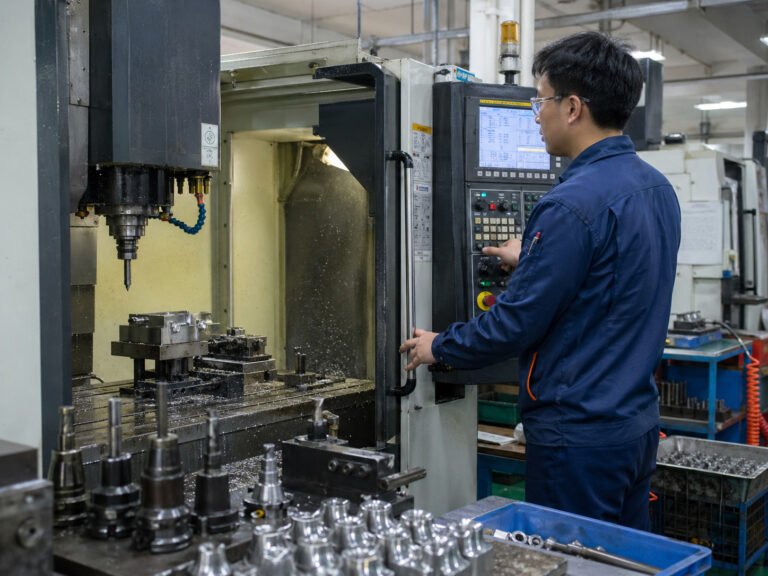
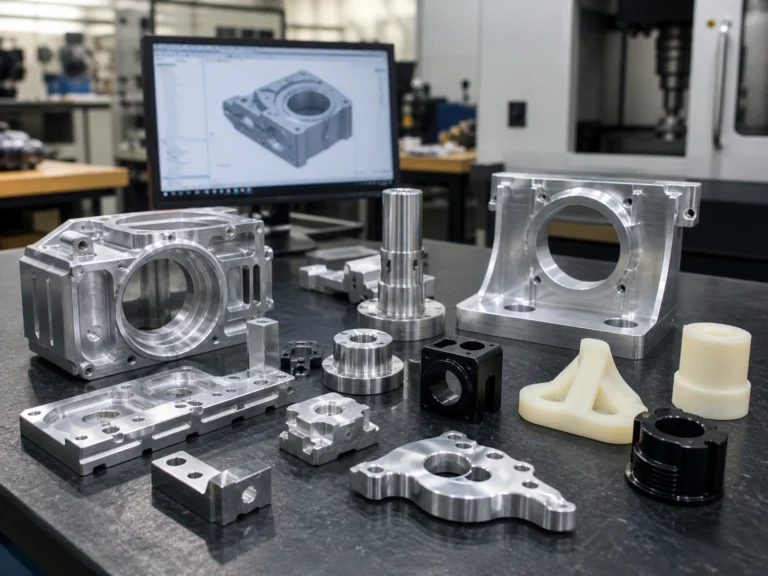
CNC PP Prototype Machining
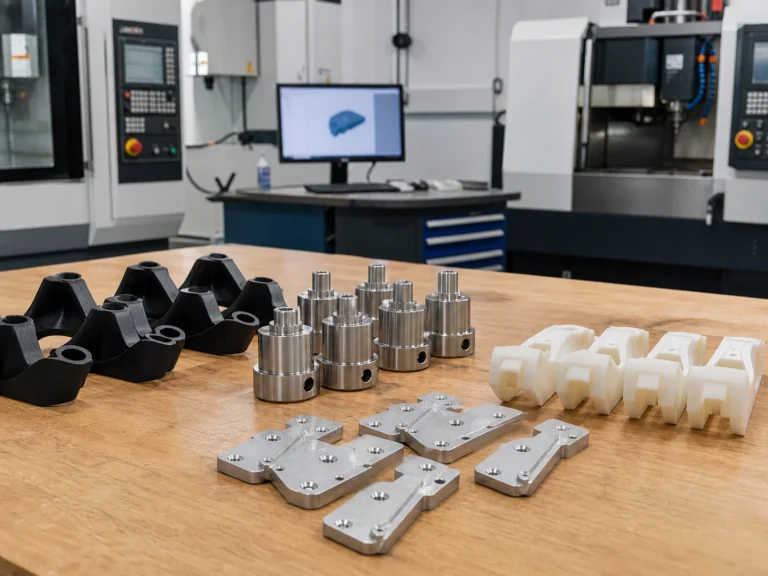
For prototype or small-batch projects, PP can also be reviewed for CNC machining when the part can be made from PP sheet, rod, or block material. CNC PP machining is useful for early design verification before injection mold investment.
However, for stable batch production and complex plastic part structures, PP injection molding is usually the more suitable production method.
Design Considerations for PP Parts
When designing PP molded parts, important factors include material grade, shrinkage, wall thickness, rib structure, snap-fit design, living hinge design, parting line, draft angle, gate location, surface texture, and assembly conditions.
For functional parts, critical dimensions, mating areas, hinge areas, sealing areas, and assembly features should be clearly marked on the drawing so that mold design and inspection can focus on the most important requirements.
Typical Applications
- Consumer product components
- Automotive interior plastic parts
- Home appliance components
- Industrial equipment plastic parts
- Plastic covers and housings
- Caps, lids, and containers
- Living hinge parts
- Snap-fit plastic assemblies
- Electrical insulation components
Request PP Injection Molding Quote
Send us your 2D drawings, 3D files, material requirements, quantity, tolerance notes, color requirements, and surface finish requirements. Our team will review your PP material selection, mold feasibility, and production process for custom polypropylene injection molded parts.