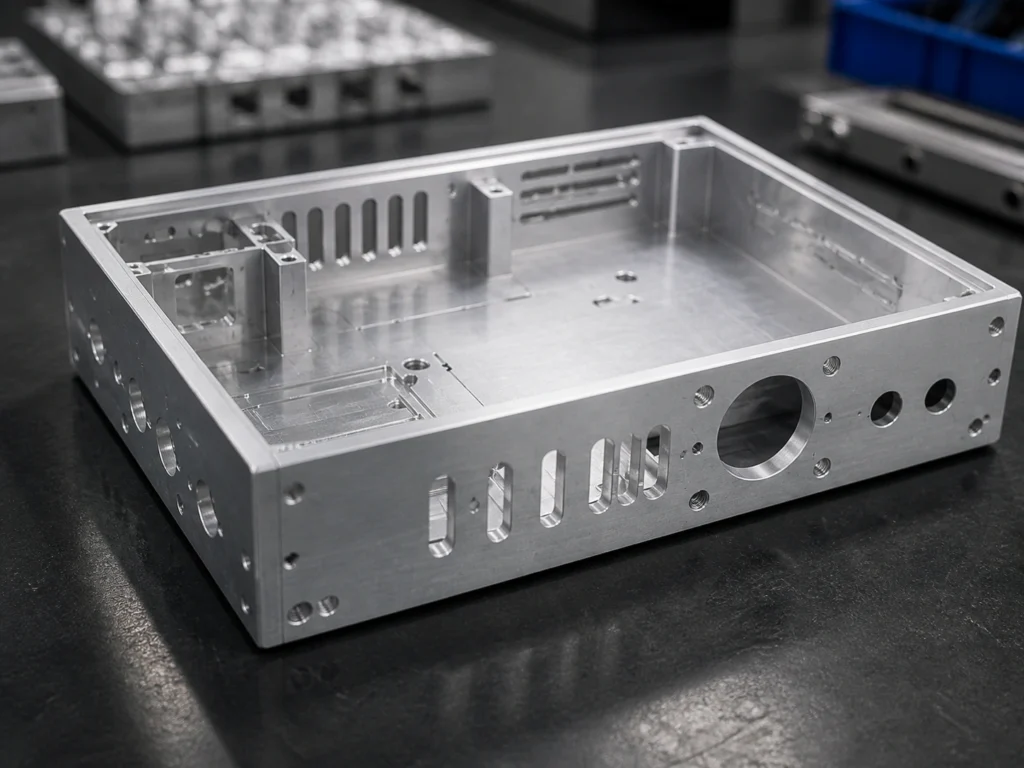
Anodizing
Anodizing is commonly used for aluminum parts to improve surface protection, corrosion resistance, and appearance.
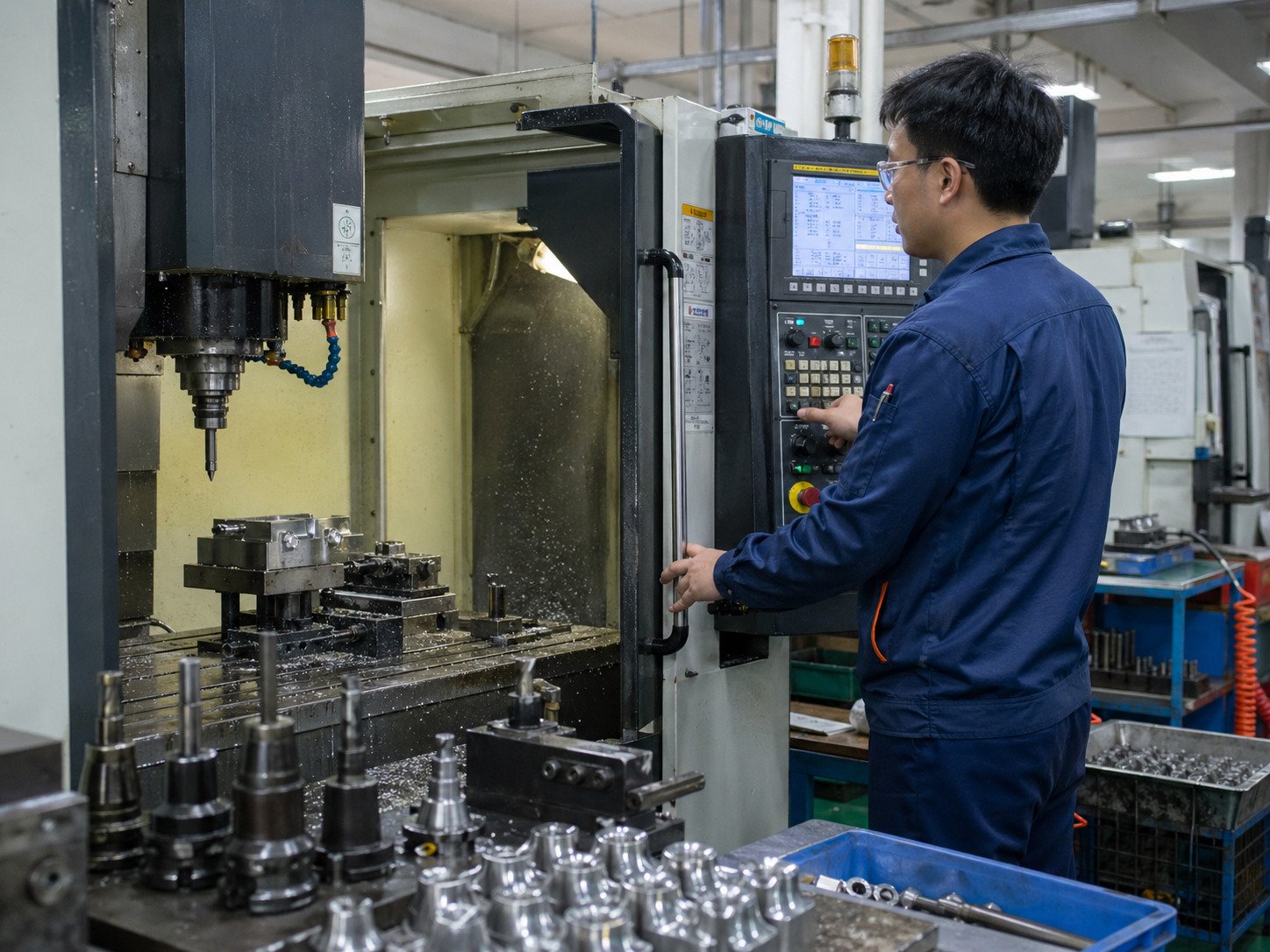
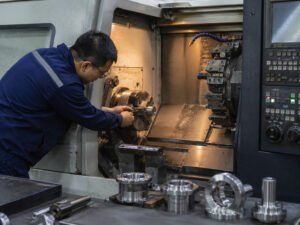
We provide custom CNC machining services for metal and plastic parts based on drawings, samples, or specific project requirements. Our CNC machining service covers prototype machining, low-volume production, and production machining for precision components used in industrial, electronic, appliance, and general custom manufacturing projects.
Capability Details
Custom CNC Machining
Yinuomold provides custom CNC machining services for B2B customers who need precision metal and plastic parts based on drawings, samples, or specific project requirements.
Our CNC machining service is suitable for prototype parts, low-volume production, and production components used in industrial equipment, consumer electronics, home appliance components, automotive-related parts, and general custom manufacturing projects.
Our CNC Machining Scope
Our CNC machining service may include:
– CNC milling
– CNC turning
– Prototype machining
– Low-volume production
– Production machining
– Metal part machining
– Plastic part machining
– Surface finishing support
Common Materials
We can work with common metal and engineering plastic materials depending on the part structure, function, and application requirements.
Common materials may include:
– Aluminum
– Stainless steel
– Brass
– Steel
– POM
– Nylon
– ABS
– PC
Material selection should be evaluated based on strength, weight, corrosion resistance, machinability, appearance requirements, cost, and final application.
Surface Finishing
CNC machined parts may require different surface finishes depending on appearance, function, and usage environment.
Common surface finishing options may include:
– Anodizing
– Sandblasting
– Polishing
– Plating
– Painting
– Brushing
The final surface finish should be confirmed according to drawings, product usage, and appearance requirements.
Quality Control
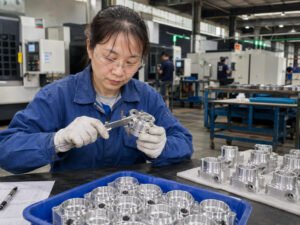
For CNC machining projects, we focus on drawing review, material confirmation, machining feasibility, dimensional inspection, surface finish checking, and final inspection before shipment.
Project Evaluation
Before production, we usually need 2D drawings, 3D files, material requirements, quantity, tolerance requirements, surface finish requirements, and any special assembly or packaging needs.
These details help us evaluate the machining process, cost, lead time, and production feasibility more accurately.
Finishing Options
Anodizing is commonly used for aluminum parts to improve surface protection, corrosion resistance, and appearance.
Sandblasting can create a matte and uniform surface finish for machined metal parts.
Polishing can be used when the part requires a smoother, cleaner, or more refined surface.
Brushing can create a linear surface texture and is often used for visible metal components.
Plating can improve surface appearance, corrosion resistance, conductivity, or wear resistance depending on the project requirements.
Painting or spraying can be applied when the machined part requires a specific color, appearance, or protective coating.
Inspection Before Shipment
Key inspection items are organized into visible checkpoints so overseas buyers can quickly understand how the service is controlled before delivery.
Drawings or 3D files are reviewed before quotation and production to confirm dimensions, material, tolerance, surface finish, and machining feasibility.
Material type and basic material requirements are confirmed before machining according to the project specification.
Key dimensions and machining conditions may be checked during production to reduce deviation and control production stability.
Important dimensions are checked according to drawings, samples, or agreed tolerance requirements.
The surface is checked for visible machining marks, scratches, burrs, deformation, or other appearance issues.
Finished parts are inspected before shipment based on confirmed drawings, order requirements, and quality expectations.
Manufacturing References
Send drawings, samples, target material, quantity, and finishing requirements. Yinuomold can support DFM review, prototyping, mold making, machining, finishing, and export delivery.