Mold Texture
Creates matte, grain, leather-like, or anti-slip texture on the molded surface.
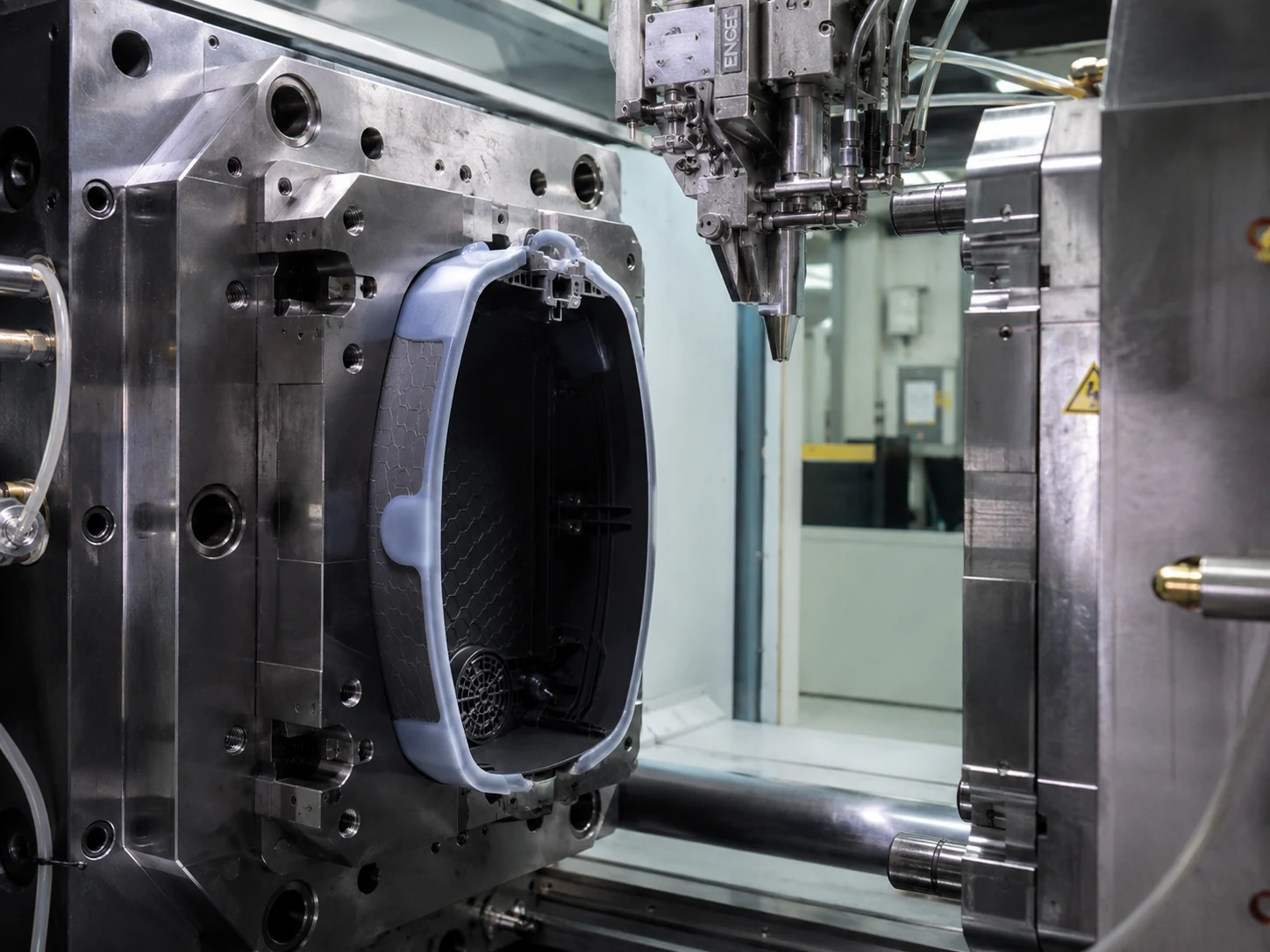
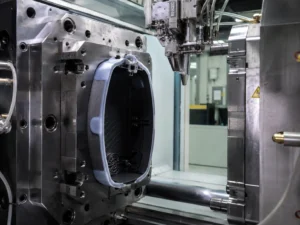
Yinuo Mold provides custom overmolding and insert molding services for plastic parts, metal insert components, soft-touch parts, electronic components, handles, connectors, housings, and functional assemblies. Overmolding is used to mold one material over another material or substrate, commonly combining rigid plastic with soft TPE, TPU, silicone-like materials, or another compatible plastic. It can improve grip, sealing, impact resistance, appearance, comfort, and part functionality. Insert molding places metal inserts, threaded inserts, pins, terminals, bushings, magnets, or other components into the mold before plastic injection. The plastic is then molded around the insert to create a strong integrated part. This process is commonly used for electronic components, threaded plastic parts, connector housings, automotive components, industrial parts, and custom assemblies. We support prototype review, mold design, material selection, trial molding, low-volume production, and mass production based on customer drawings, 3D files, insert requirements, material compatibility, tolerance needs, and final application.
Capability Details
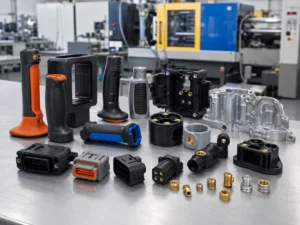
Yinuo Mold provides custom overmolding and insert molding services for plastic components, metal insert parts, soft-touch products, electronic housings, handles, connectors, and functional assemblies. These processes are widely used when a molded part needs better grip, sealing, structural strength, assembly function, or integrated metal features.
We support mold design, material selection, trial molding, low-volume production, and mass production based on customer drawings, 3D models, insert requirements, material compatibility, tolerance needs, surface finish requirements, and final product application.
Overmolding is a molding process where one material is molded over another material or substrate. It is commonly used to combine rigid plastic with soft TPE, TPU, rubber-like materials, or another compatible plastic material.
This process can improve product grip, comfort, sealing, impact resistance, appearance, and functional performance. Typical overmolded parts include handles, grips, electronic housings, protective covers, seals, buttons, tool components, and consumer product parts.
Insert molding places a metal or functional insert into the mold before plastic injection. The plastic material is then molded around the insert to form an integrated component.
Common inserts include threaded brass inserts, stainless steel inserts, steel pins, terminals, bushings, magnets, shafts, electrical contacts, and other pre-formed components. Insert molding helps reduce secondary assembly, improve strength, and create reliable functional plastic parts.
Common rigid plastic materials include ABS, PC, PP, nylon, POM, and other engineering plastics. Common overmolding materials include TPE, TPU, and other soft-touch materials depending on bonding requirements and application needs.
For insert molding, common insert materials include brass, stainless steel, steel, aluminum, and other metal components. Material selection depends on strength, bonding, flexibility, chemical resistance, heat resistance, appearance, cost, and end-use environment.
Metal insert molding is often used when plastic parts require threads, electrical contacts, reinforcement, positioning features, or stronger assembly points. By molding plastic directly around the insert, the part can achieve better structural integration and reduce manual assembly steps.
For threaded inserts, insert position, thread size, insert depth, pull-out strength, torque resistance, and surrounding plastic wall thickness should be reviewed before mold making.
TPE overmolding is commonly used to create soft-touch surfaces, non-slip areas, protective layers, sealing edges, and comfortable grips. It is widely used in handheld products, electronics, tools, automotive parts, and consumer products.
To achieve stable overmolding results, material compatibility, bonding strength, overmold thickness, gate location, mold temperature, shrinkage, and part structure should be evaluated during design and mold development.
Overmolding and insert molding require careful design review before tooling. Important factors include material compatibility, insert positioning, wall thickness, bonding area, undercut structure, gate location, shrinkage, parting line, flash control, and assembly requirements.
Customers are encouraged to provide 2D drawings, 3D files, material requirements, insert drawings, assembly requirements, and expected production quantity so that our team can review mold feasibility and manufacturing risks.
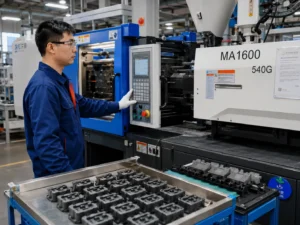
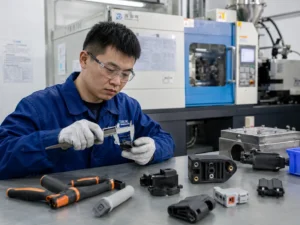
Quality control starts from drawing review, insert verification, material confirmation, and mold structure review. During trial molding and production, we check insert position, bonding condition, dimensional accuracy, appearance, flash, deformation, thread quality, and assembly fit.
For parts with threaded inserts or functional inserts, additional inspection can be arranged based on project requirements, such as insert depth check, thread gauge inspection, pull-out review, torque review, and assembly testing.
Send us your 2D drawings, 3D files, insert drawings, material requirements, quantity, tolerance notes, and surface finish requirements. Our team will review your project and provide a suitable overmolding or insert molding solution for prototype review, low-volume production, or mass production.
Finishing Options
Creates matte, grain, leather-like, or anti-slip texture on the molded surface.
Improves surface smoothness and appearance for visible plastic parts and mold surfaces.
Removes flash, gate marks, and minor burrs after molding or insert assembly.
Cleans molded parts or insert components before assembly or packing.
Adds logos, icons, marks, or functional symbols on molded parts.
Suitable for printed graphics, labels, or operation markings on plastic parts.
Provides durable part numbers, serial codes, logos, or identification marks.
Used for appearance parts that require color, protection, or decorative finish.
Provides comfortable grip, anti-slip feel, and improved product handling.
Combines molded parts, inserts, fasteners, seals, or other components after production.
Inspection Before Shipment
Key inspection items are organized into visible checkpoints so overseas buyers can quickly understand how the service is controlled before delivery.
Review 2D drawings, 3D files, insert structure, material requirements, tolerance notes, and assembly needs before mold design.
Check insert material, size, thread, plating, shape, and positioning requirements before molding.
Review compatibility between substrate material and overmold material to reduce bonding, shrinkage, or deformation risks.
Check molded samples after trial molding for dimensions, insert position, bonding, appearance, flash, short shot, sink marks, and deformation.
Inspect insert alignment, thread position, depth, and stability after molding.
Check the bonding condition between overmold material and base material where applicable.
Use calipers, gauges, fixtures, or inspection tools to check key dimensions and assembly features.
For threaded inserts or metal inserts, pull-out force or torque performance can be reviewed according to project requirements.
Check flash, gate marks, color consistency, surface texture, stains, scratches, and molding defects.
Check whether molded parts, inserts, mating parts, and functional features meet assembly requirements.
Perform final dimensional, appearance, and quantity checks before packing.
Confirm part protection, labeling, quantity, and export packing before shipment.
Manufacturing References
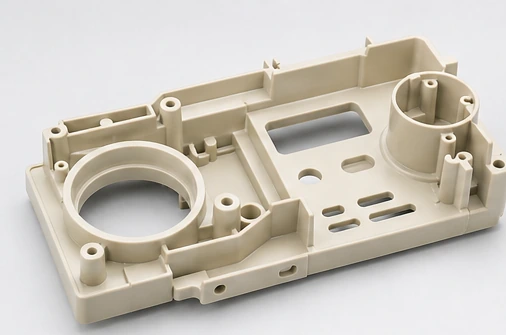 Automotive Parts
Injection Molded Plastic Functional Part Project This project focused on a custom injection molded plastic functional part used in an...
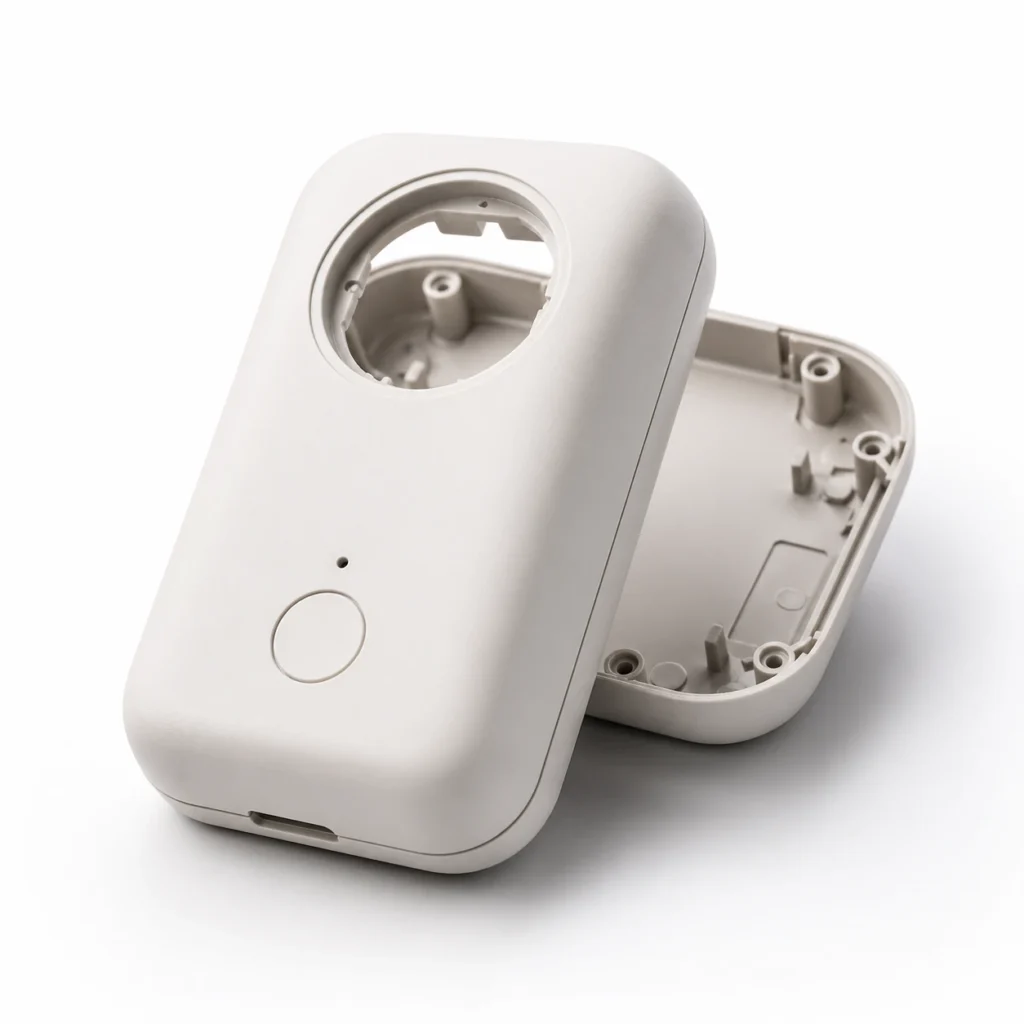 Consumer Electronics Parts
ABS Injection Mold for Consumer Product Housing This project focused on the development of a custom ABS injection mold for...
Send drawings, samples, target material, quantity, and finishing requirements. Yinuomold can support DFM review, prototyping, mold making, machining, finishing, and export delivery.