Material Overview
Aluminum Material for Custom CNC Machining
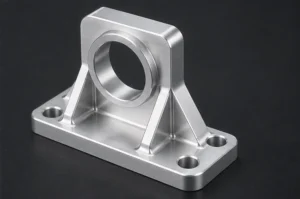
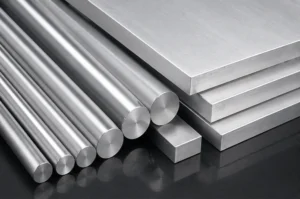
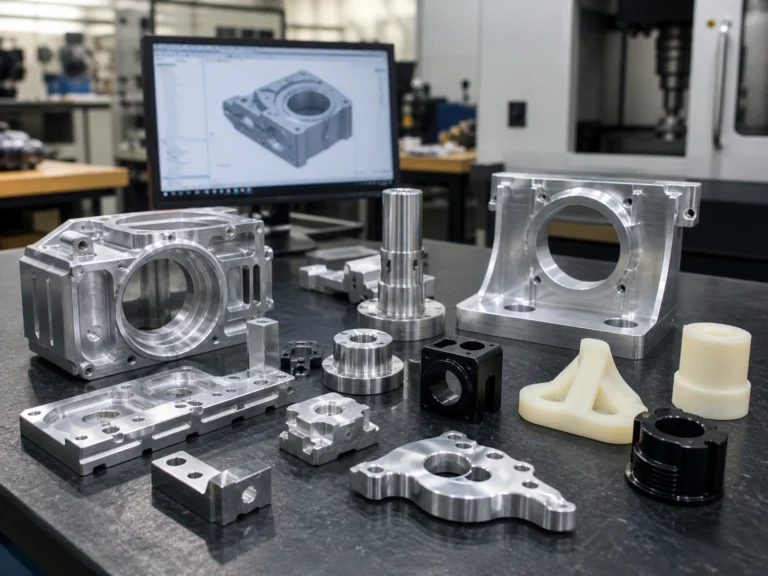
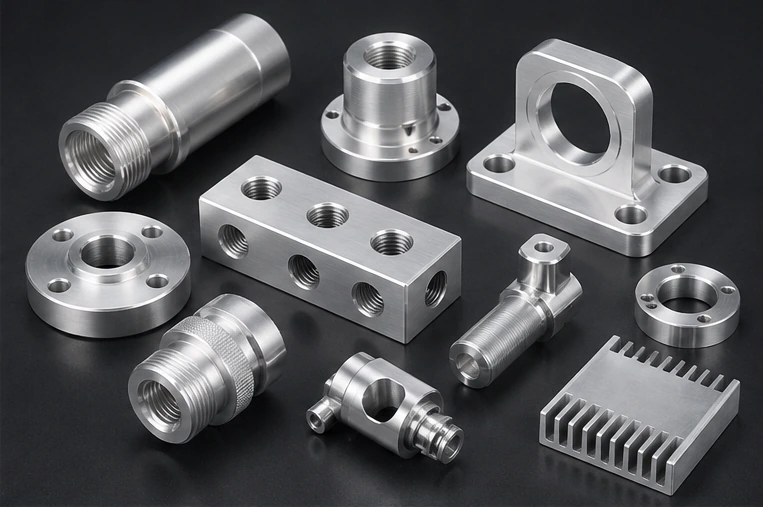
Aluminum is one of the most commonly used metal materials for custom CNC machined parts. It is suitable for projects that require light weight, good machinability, corrosion resistance, surface finish options, and a good strength-to-weight ratio.
At Yinuomold, aluminum can be used for CNC machined components depending on the part structure, tolerance requirements, surface treatment needs, working environment, and production quantity.
Key Features of Aluminum
Aluminum may offer the following material characteristics:
– Lightweight
– Good CNC machinability
– Suitable corrosion resistance
– Good strength-to-weight ratio
– Multiple surface finish options
– Suitable for prototypes and production parts
– Multiple material grade options
Common aluminum grades may include 6061, 6063, 7075, 5052, and other grades depending on application requirements, machining needs, strength requirements, and surface finish requirements.
Applicable Manufacturing Processes
Aluminum is mainly suitable for:
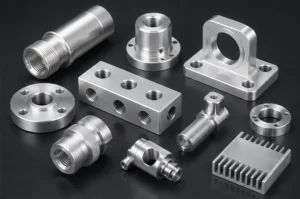
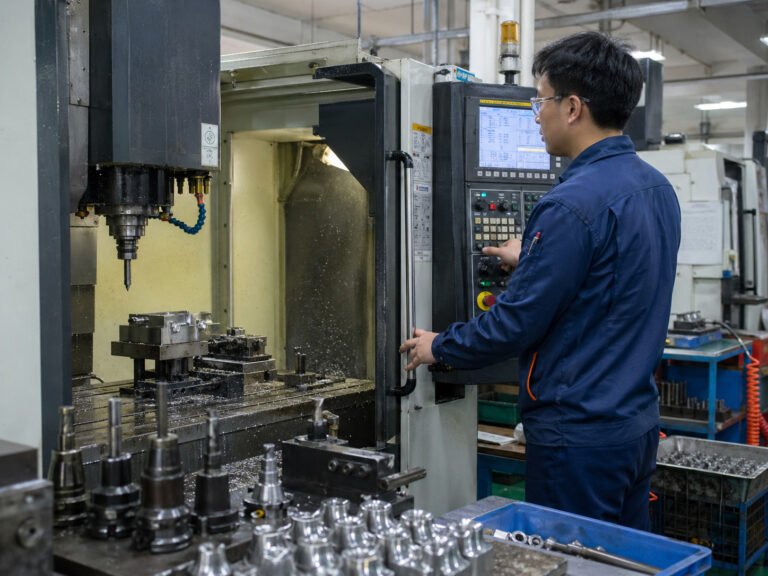
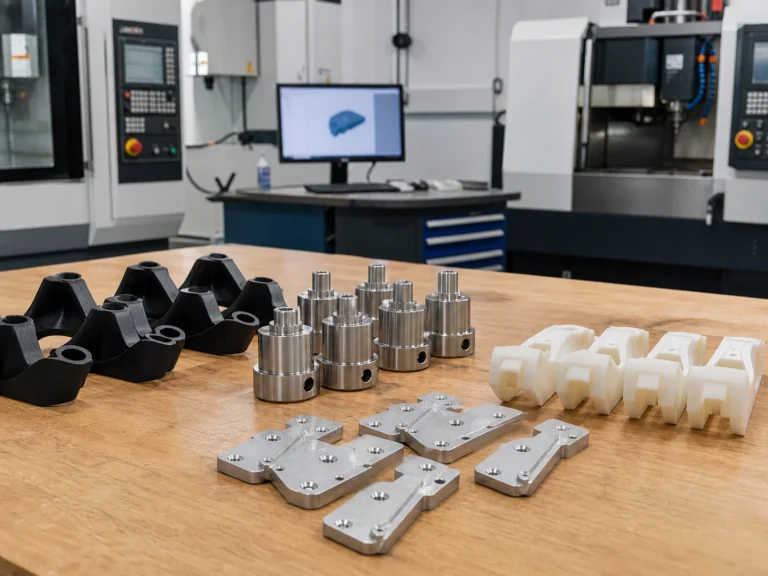
– CNC machined metal parts
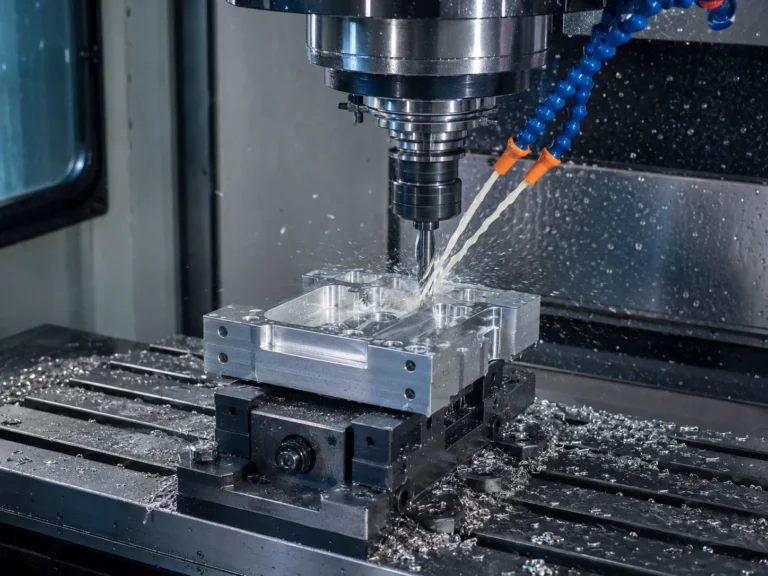
– CNC milled components
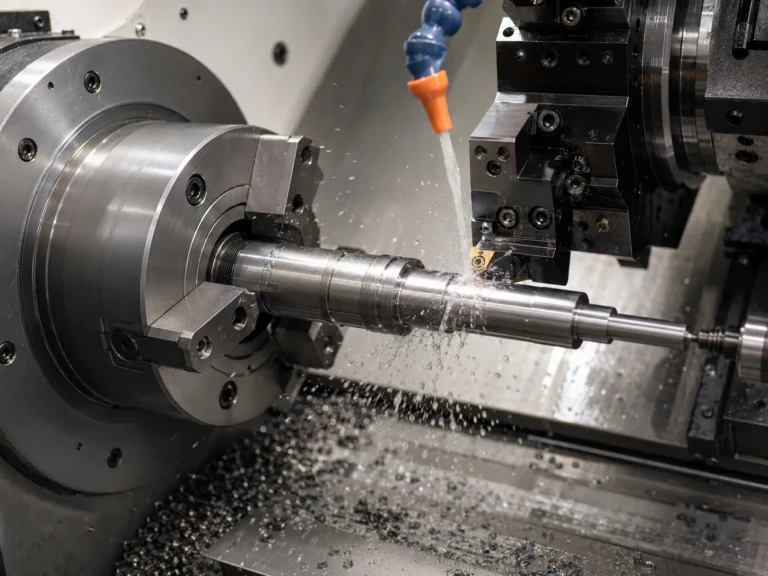
– CNC turned components
– Prototype metal parts
– Low-volume production parts
– Precision custom components
– Functional industrial components
Typical Applications
Aluminum is commonly used in:
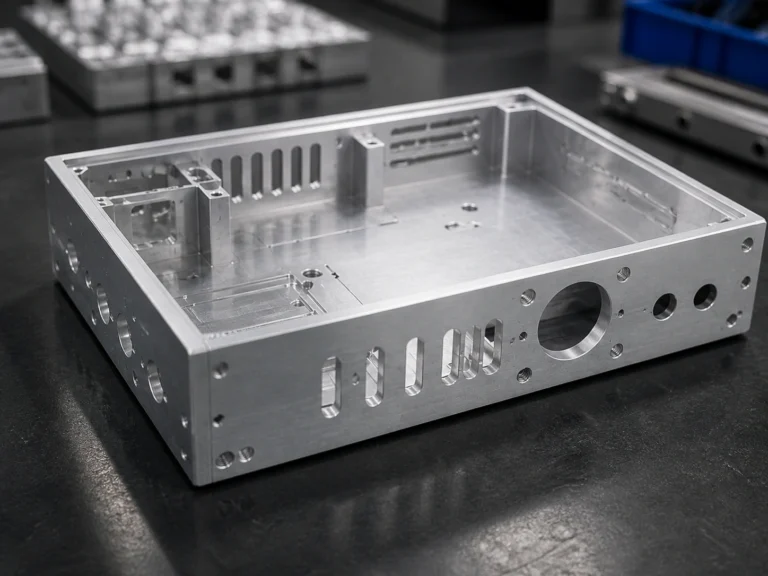
– Housings
– Brackets
– Covers
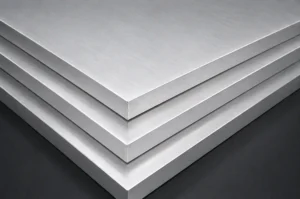
– Panels
– Heat sinks
– Fixtures
– Frames
– Structural components
– Prototype parts
– Custom CNC machined metal components
Surface Finish Options
Aluminum parts may require different surface finishes depending on appearance, corrosion resistance, protection, or product usage.
Common options may include:
– Anodizing
– Sandblasting
– Polishing
– Brushing
– Painting
– Plating
Project Evaluation
For aluminum parts, we usually review the drawing, part size, tolerance requirements, material grade, surface finish, working environment, and production quantity before confirming the suitable CNC machining process.
The final material and process should be selected according to product function, dimensional requirements, strength needs, appearance requirements, cost, and production volume.