Material Overview
Magnesium Parts for Die Casting and CNC Machining
Magnesium and magnesium alloy are lightweight metal materials used for custom die casting parts, CNC machined components, prototype parts, and functional metal assemblies. Magnesium alloy is often selected when a product requires weight reduction, good strength-to-weight ratio, dimensional stability, and metal housing performance.
Yinuo Mold can support magnesium material and process review for custom magnesium parts, including magnesium die casting feasibility, mold design review, CNC post-machining, surface treatment, low-volume trial production, and mass production according to customer drawings, 3D files, tolerance requirements, surface finish requirements, and application conditions.
What Is Magnesium Alloy?
Magnesium alloy is a lightweight metal material with lower density than aluminum alloy. It is commonly used in applications where part weight is important, such as electronic housings, portable device parts, automotive components, and lightweight structural parts.
Compared with aluminum alloy, magnesium alloy can help reduce weight, but it also requires careful review of casting process, surface protection, corrosion resistance, machining safety, and final application environment.
Advantages of Magnesium Parts
- Lightweight metal material
- Good strength-to-weight ratio
- Suitable for lightweight housings and structural parts
- Good dimensional stability for die cast components
- Good heat dissipation performance depending on alloy grade
- Can be combined with CNC post-machining for critical features
- Suitable for automotive, electronics, industrial, and mechanical applications
Magnesium Die Casting
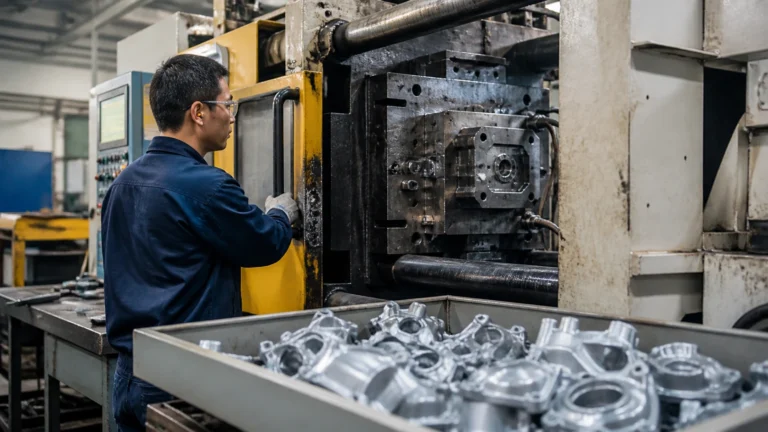
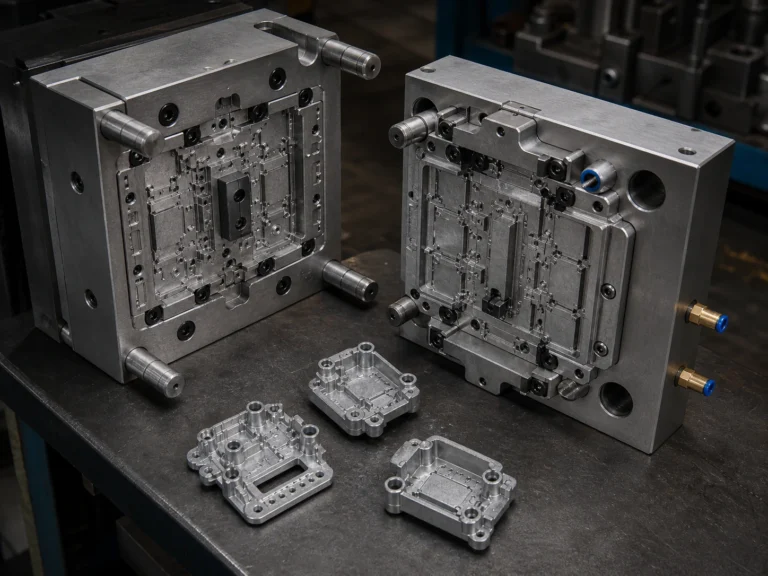
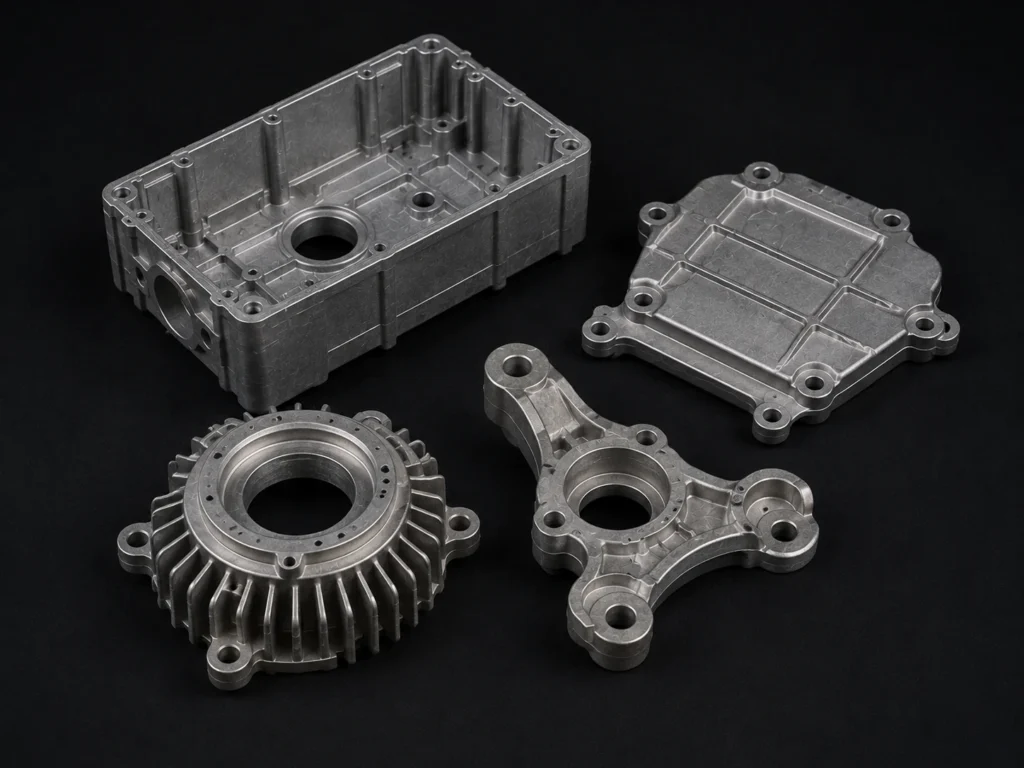
Magnesium die casting is used to produce lightweight metal parts with complex shapes, thin walls, ribs, bosses, mounting holes, and housing structures. It is suitable for applications where weight reduction and stable production are important.
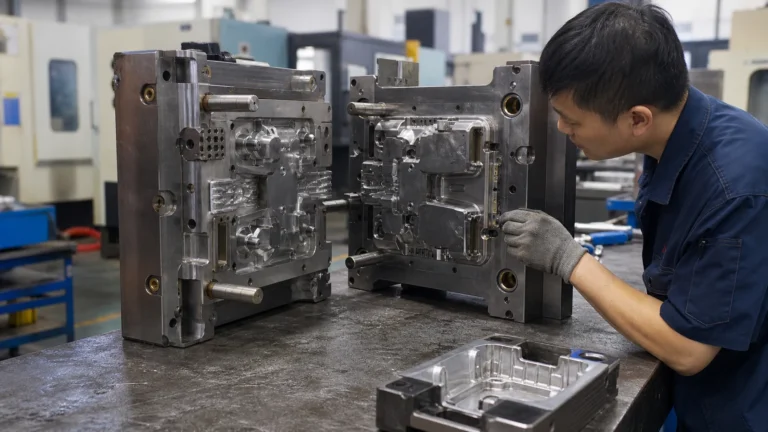
For magnesium die casting projects, mold design should consider alloy selection, wall thickness, flow path, gate location, shrinkage, porosity control, ejector layout, machining allowance, surface finishing, and final assembly requirements.
Magnesium Alloy Casting Parts
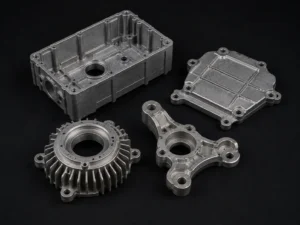
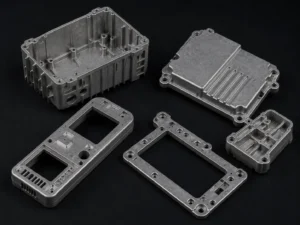
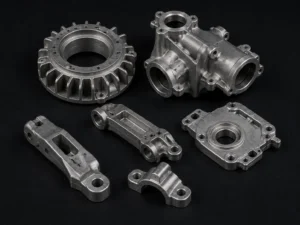
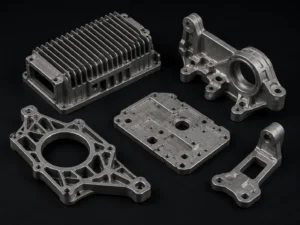
Magnesium alloy casting parts are commonly used for electronic enclosures, lightweight housings, automotive parts, brackets, covers, frames, and mechanical components. The final material and casting process should be selected according to strength requirements, appearance requirements, corrosion resistance, and production volume.
Customers are encouraged to provide 2D drawings, 3D files, material grade requirements, tolerance notes, surface finish requirements, and expected production quantity before quotation and mold design.
CNC Machining for Magnesium Parts
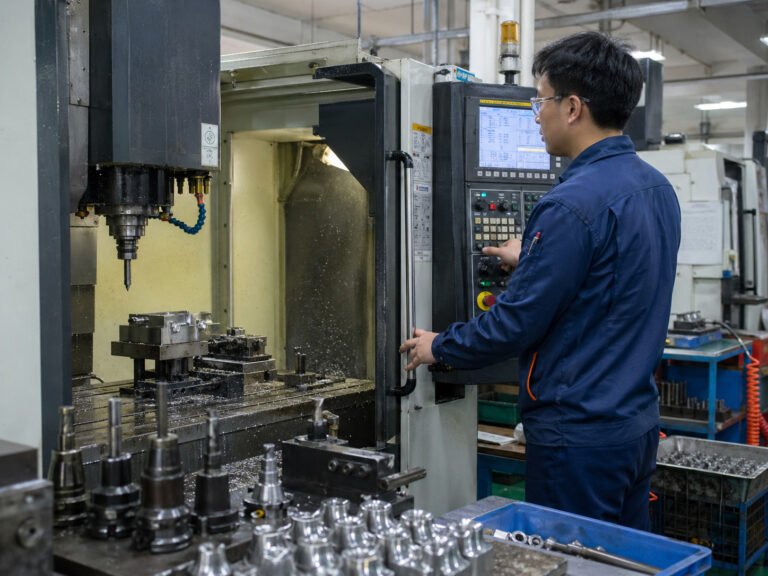
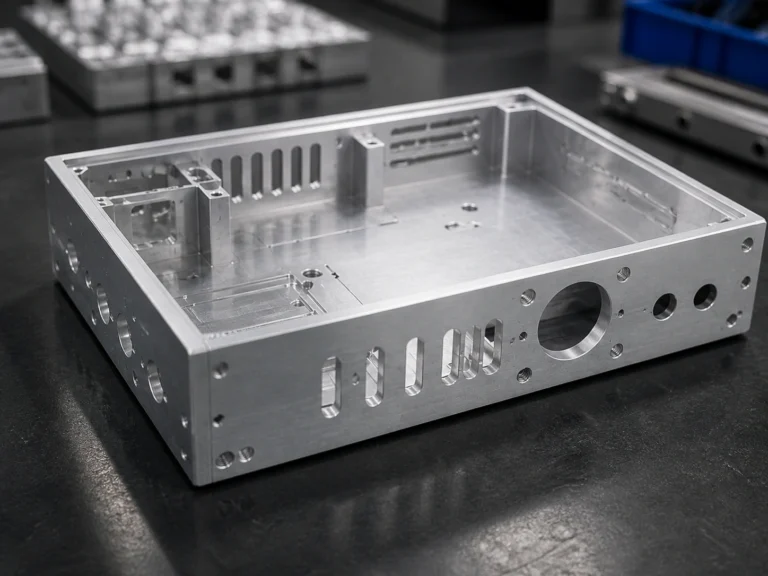
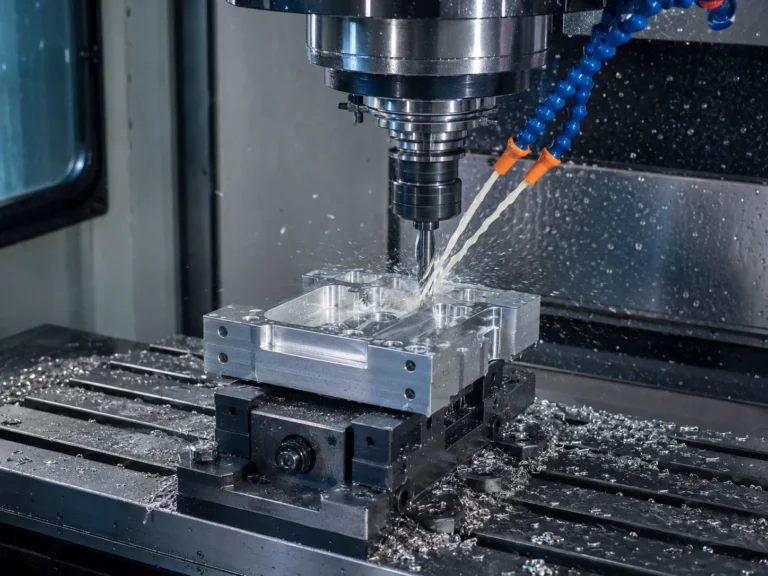
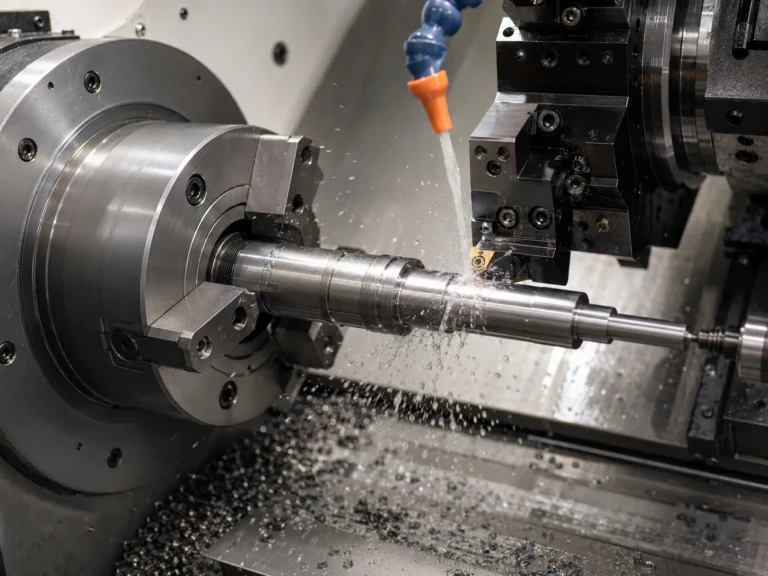
Magnesium die cast parts often require CNC post-machining for critical holes, threads, mating surfaces, flatness, and assembly dimensions. Magnesium parts can also be machined for prototype or low-volume applications when the material and safety conditions are suitable.
Because magnesium machining requires proper process and safety control, machining method, chip handling, cutting parameters, and finishing requirements should be reviewed before production.
Surface Finishing for Magnesium Parts
Magnesium alloy parts usually require suitable surface treatment to improve corrosion resistance, appearance, and long-term performance. Common finishing options may include shot blasting, polishing, painting, powder coating, chromate conversion, protective coating, or other project-specific surface treatments.
The best surface finish depends on product appearance, corrosion resistance requirements, outdoor or indoor use, assembly environment, and customer specifications.
Magnesium Parts We Can Support
- Magnesium die cast housings
- Lightweight electronic enclosures
- Automotive magnesium components
- Portable device frames and covers
- Industrial equipment lightweight parts
- Magnesium brackets and structural parts
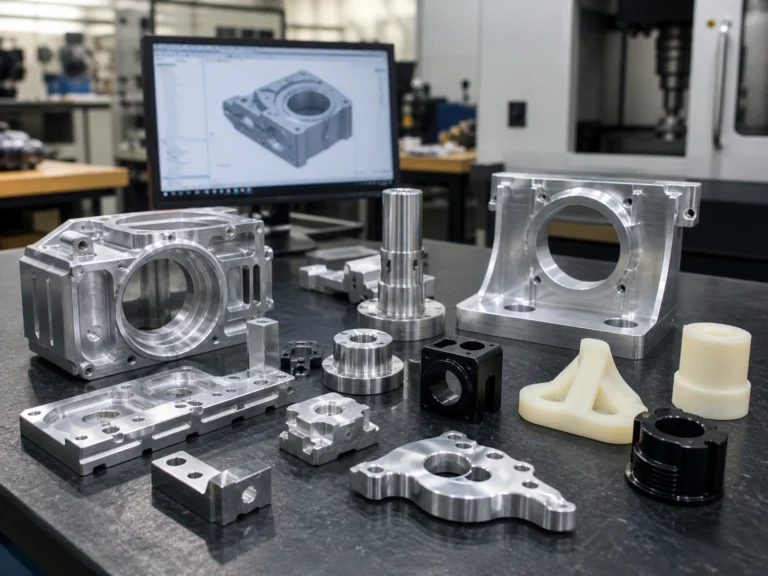
- CNC machined magnesium components
- Magnesium die cast parts with post-machining
- Custom lightweight metal components
Design Considerations for Magnesium Parts
When designing magnesium die casting parts, important factors include wall thickness, rib structure, draft angle, gate location, parting line, shrinkage, porosity control, machining allowance, surface treatment, corrosion protection, and assembly requirements.
For functional parts, critical dimensions, threaded holes, mating surfaces, sealing areas, and assembly features should be clearly marked on the drawing so that tooling, machining, and inspection can focus on the most important requirements.
Magnesium vs Aluminum Alloy
Magnesium alloy and aluminum alloy are both commonly used lightweight metal materials. Magnesium alloy is often selected when lower weight is a key requirement. Aluminum alloy is more widely used and may offer easier processing, broader finishing options, and more common material availability.
If your project requires a lightweight metal part, our team can review the application, strength requirements, weight target, surface finish, cost target, and production quantity to help evaluate whether magnesium alloy or aluminum alloy is more suitable.
Typical Applications
- Electronic housings and enclosures
- Automotive lightweight components
- Portable device metal frames
- Industrial equipment covers
- Mechanical brackets and supports
- Heat dissipation components
- Lightweight structural parts
- Custom die cast metal parts
Request Magnesium Parts Quote
Send us your 2D drawings, 3D files, material requirements, quantity, tolerance notes, surface finish requirements, and application details. Our team will review the magnesium material selection, die casting feasibility, machining requirements, and production plan for your custom magnesium parts project.