Medical Device Parts Manufacturing Support
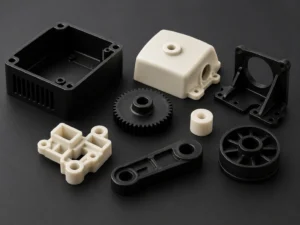
Yinuo Mold provides custom manufacturing support for medical device related plastic parts, precision machined components, medical equipment housings, covers, brackets, fixtures, connectors, handles, and functional assemblies.
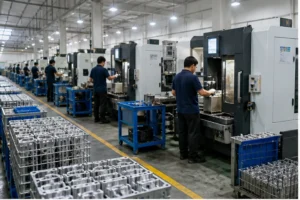
We support medical injection molding, medical plastic injection molding, CNC machining, CNC milling, CNC turning, prototype manufacturing, mold making, low-volume production, and production support based on customer drawings, 3D files, material requirements, tolerance needs, surface finish requirements, and application conditions.
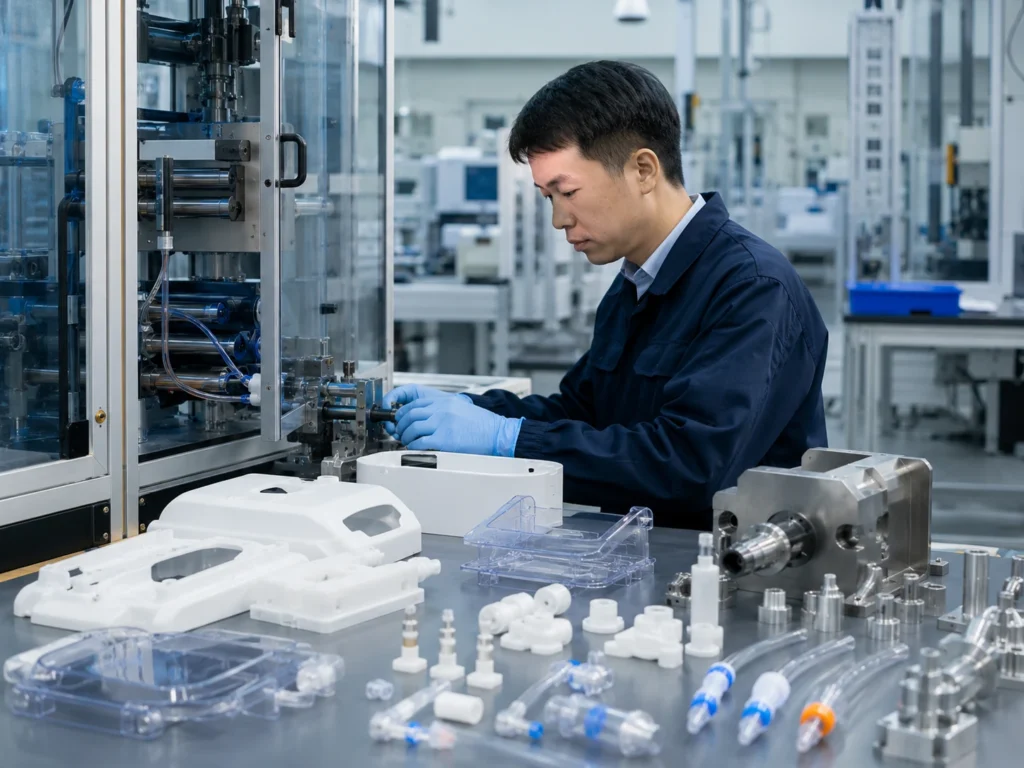
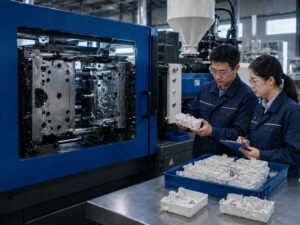
Medical Injection Molding
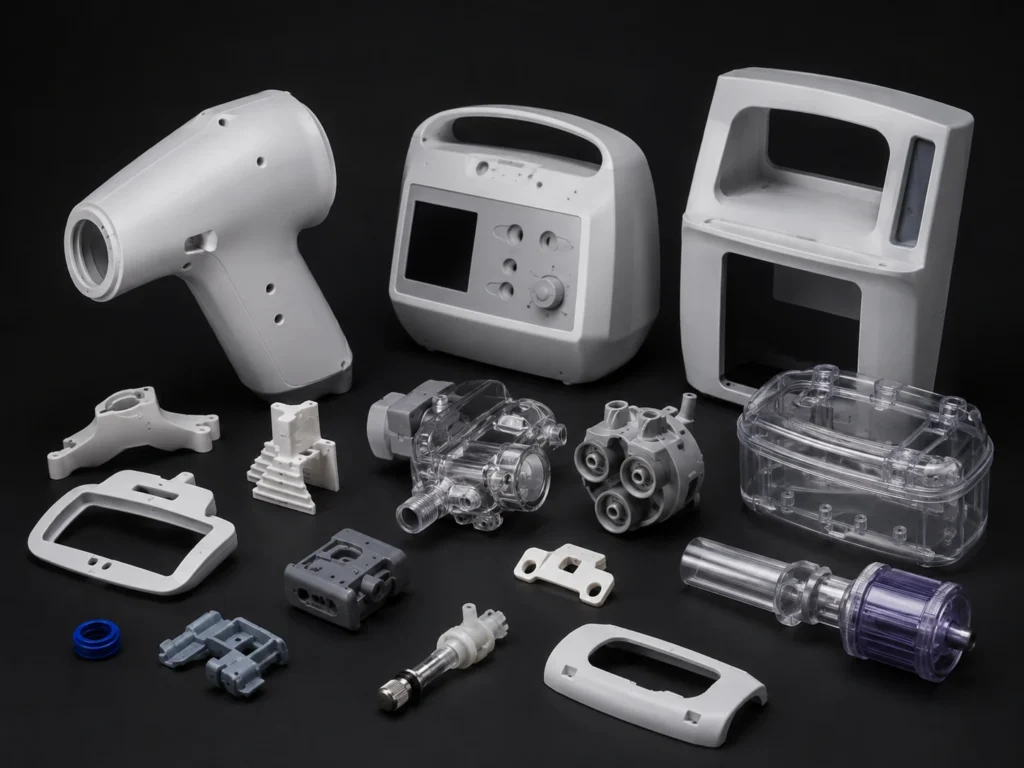
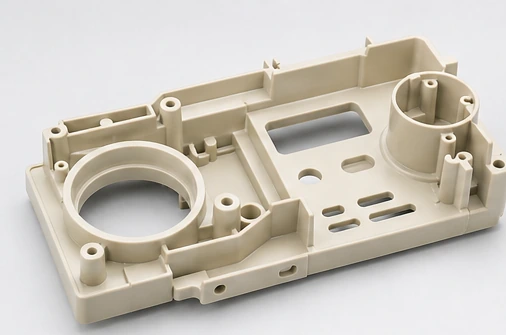
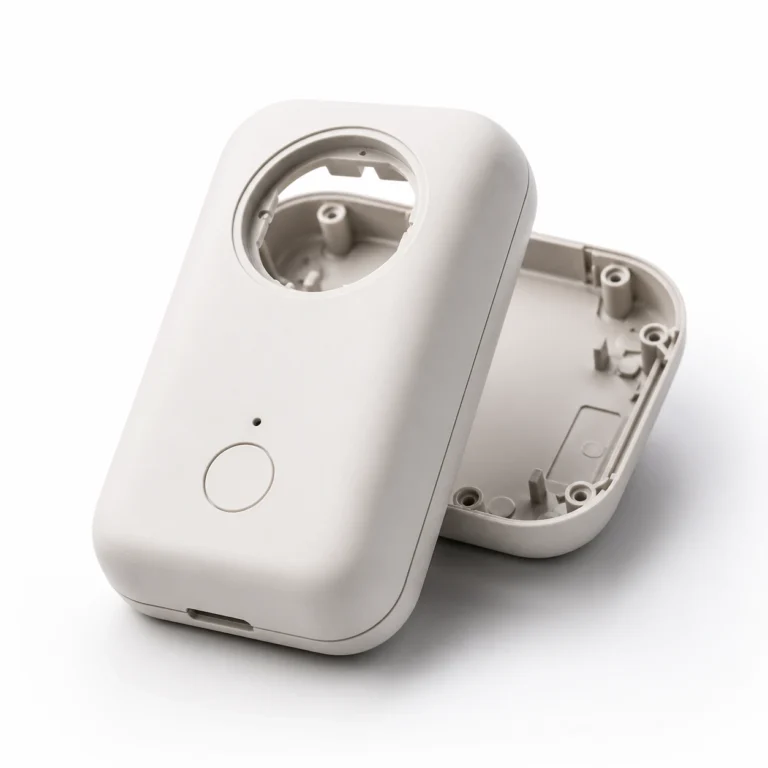
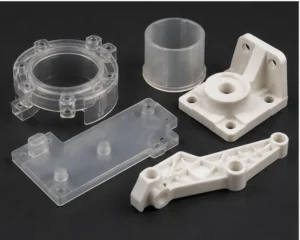
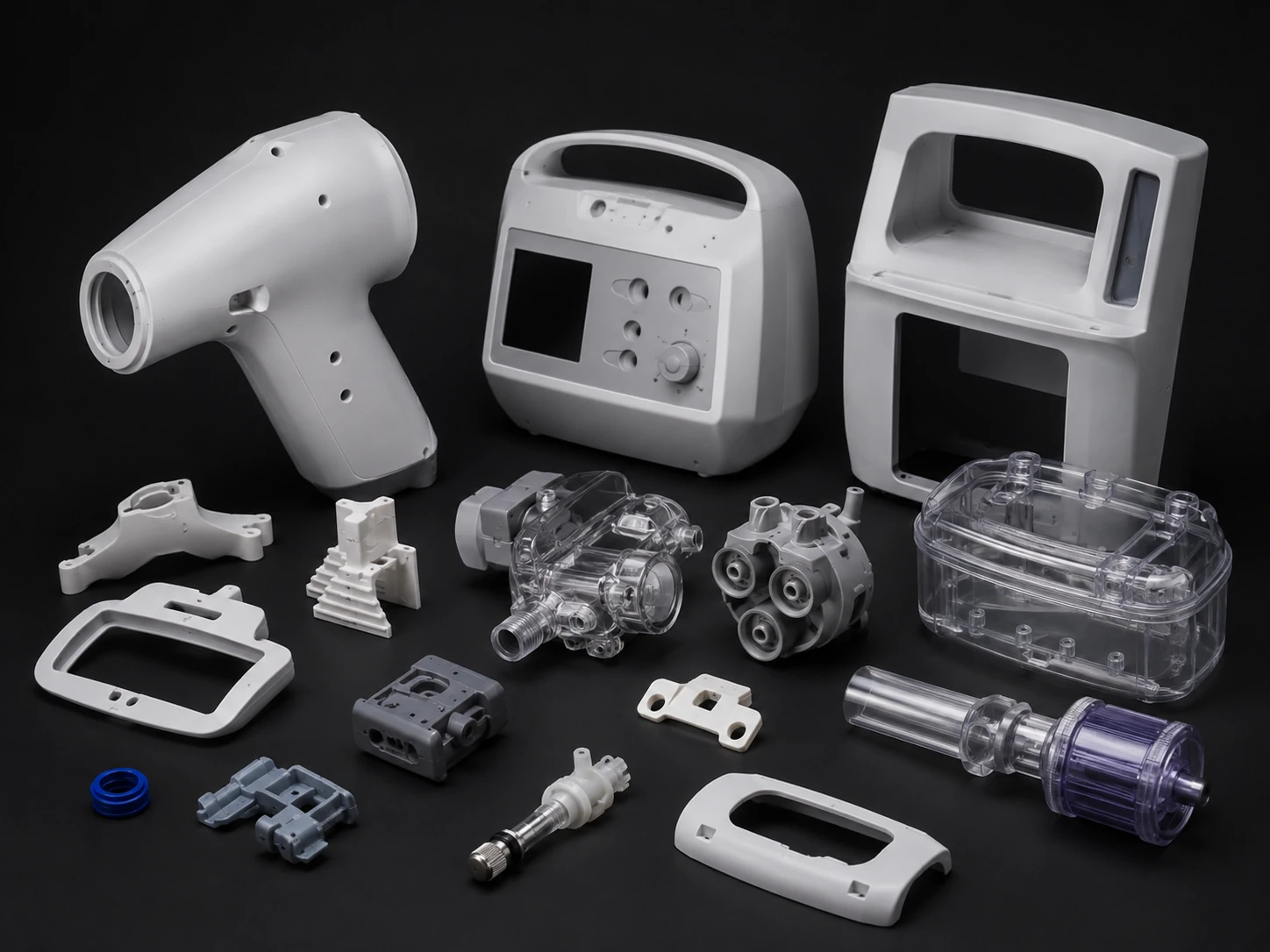
Medical injection molding is commonly used to manufacture plastic housings, covers, connectors, brackets, handles, transparent parts, diagnostic device components, medical equipment parts, and functional plastic assemblies.
For medical device injection molding projects, mold design should consider material selection, dimensional stability, wall thickness, gate location, parting line, surface finish, assembly requirements, shrinkage control, and inspection method. For projects with medical-grade material, sterilization, biocompatibility, or regulatory requirements, documentation needs should be confirmed before production.
Medical Plastic Injection Molding Materials
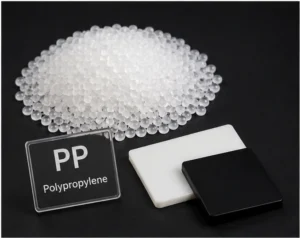
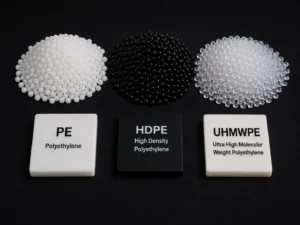
Material selection is important for medical device related plastic parts. Common material options may include PC, ABS, PP, POM, nylon, PMMA, PBT, PET, PE, HDPE, and other engineering plastics depending on the application.
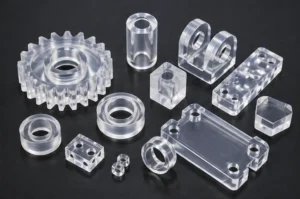
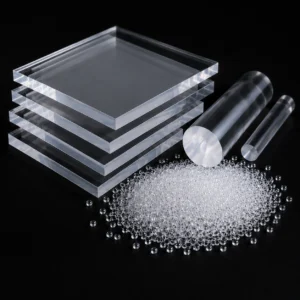
PC can be used for strong and transparent parts. ABS is suitable for housings and covers. PP and PE may be selected for lightweight and chemical-resistant components. POM and nylon can be used for functional mechanical plastic parts. PMMA can be used for clear covers and display windows.
Medical CNC Machining
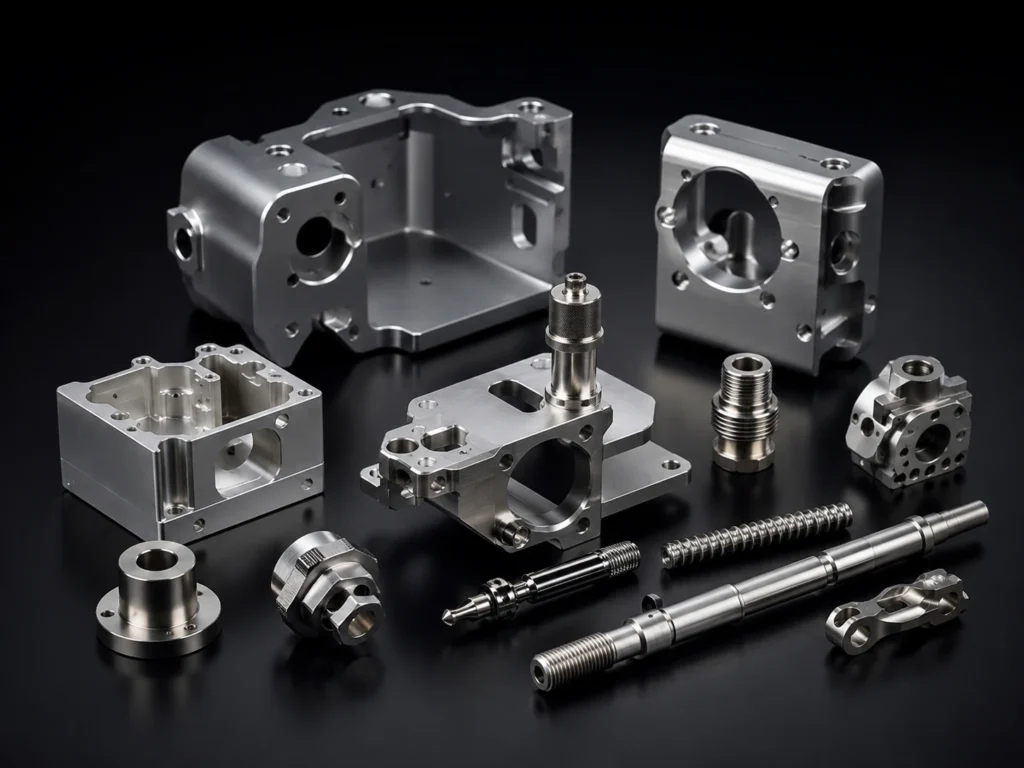
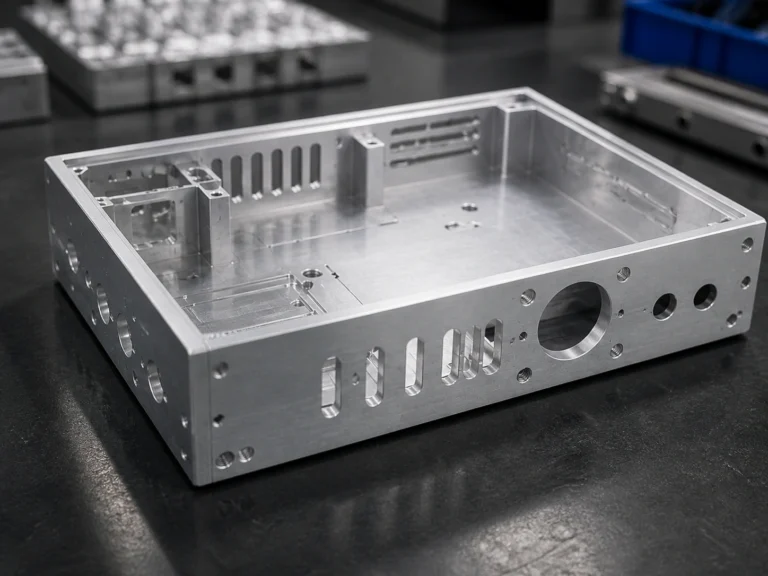
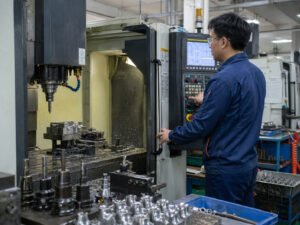
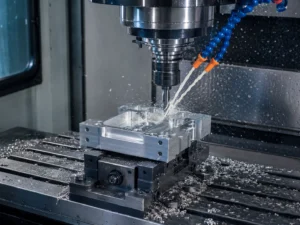
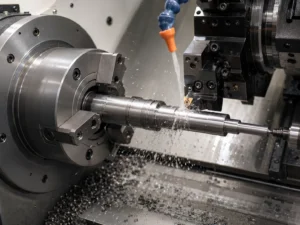
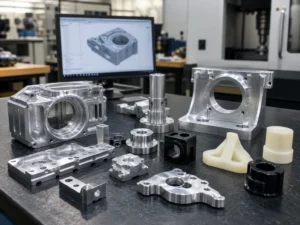
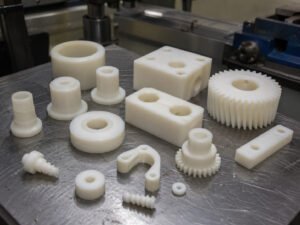
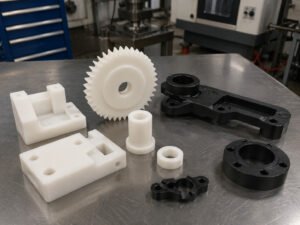
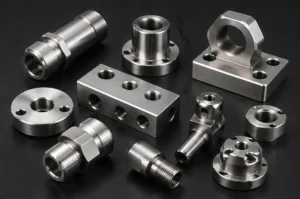
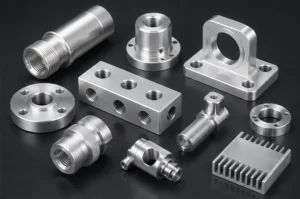
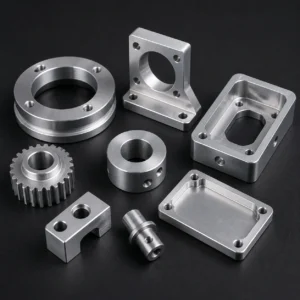
Medical CNC machining can support precision machined parts, aluminum housings, stainless steel components, testing fixtures, brackets, prototype parts, assembly tools, and custom functional components.
CNC machining is useful for prototype verification, low-volume production, and parts that require accurate holes, threads, flatness, mating surfaces, and stable tolerances. CNC milling and CNC turning can be selected according to part geometry, material, tolerance, and quantity.
Medical Device Prototyping
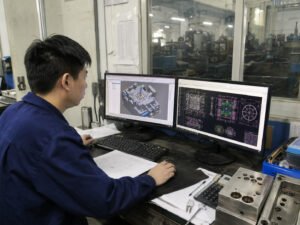
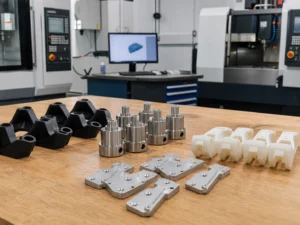
Yinuo Mold supports medical device prototyping for design verification, assembly checking, functional testing, and early-stage product development. Prototype parts can be manufactured by CNC machining, CNC milling, CNC turning, 3D printing, or prototype molding depending on structure and requirements.
Prototype development helps customers review part fit, material performance, surface finish, assembly structure, and manufacturability before moving to tooling or batch production.
Medical Device Plastic Molding
Medical device plastic molding can be used for non-implantable plastic parts, equipment housings, covers, enclosures, brackets, connector parts, transparent windows, handles, trays, and custom plastic components.
For molded medical plastic parts, important design factors include material grade, wall thickness, rib design, boss design, snap-fit structure, draft angle, surface texture, tolerance, and assembly requirements.
Parts We Can Support
- Medical equipment plastic housings
- Diagnostic device plastic covers
- Medical device connector components
- Transparent PMMA or PC covers
- Plastic brackets and handles
- Testing fixtures and assembly fixtures
- CNC machined aluminum housings
- Stainless steel machined components
- Low-volume prototype parts
- Custom non-implantable medical device related components
Quality Control for Medical Device Related Parts
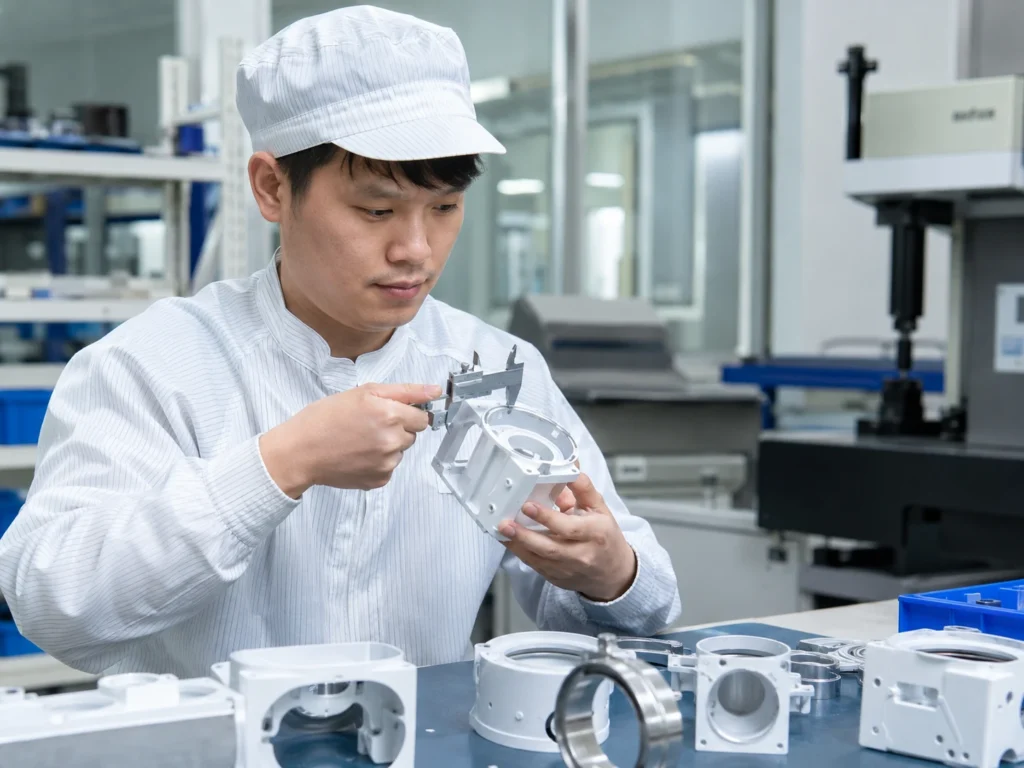
Quality control starts from drawing review, material confirmation, mold design review, machining process review, and inspection planning. During production, key dimensions can be checked to maintain repeatability and reduce batch variation.
Inspection can include dimensional checks, hole and thread inspection, surface finish review, appearance inspection, assembly fit check, transparent part appearance review, and final packing confirmation. For special medical requirements, material certification, traceability, cleanliness, sterilization compatibility, and documentation requirements should be confirmed before quotation.
Design Considerations
When designing medical device related parts, important factors include material selection, dimensional stability, tolerance, surface smoothness, assembly structure, cleaning requirements, chemical resistance, transparency, impact resistance, and end-use environment.
For plastic medical parts, mold design should consider wall thickness, shrinkage, draft angle, gate location, surface finish, parting line, and visible surface areas. For machined parts, critical dimensions, holes, threads, mating surfaces, and inspection requirements should be clearly marked on the drawing.
Typical Applications
- Medical device prototype development
- Medical equipment housings and covers
- Diagnostic device components
- Laboratory equipment plastic parts
- Testing fixtures and assembly tools
- Non-implantable medical device related parts
- Medical plastic injection molded components
- Medical CNC machined components
Request Medical Device Parts Quote
Send us your 2D drawings, 3D files, material requirements, quantity, tolerance notes, surface finish requirements, and application details. Our team will review your medical device related part design and recommend a suitable manufacturing process for prototype, low-volume, or production needs.
If your project requires medical-grade material, certification, cleanroom production, sterilization compatibility, biocompatibility documentation, or regulatory documentation, please confirm these requirements before quotation.