Material Overview
PMMA and Acrylic Material Parts
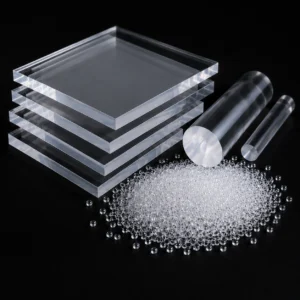
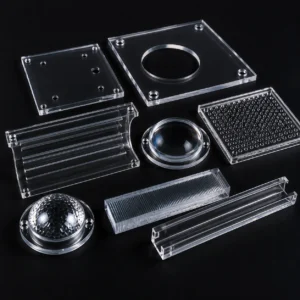
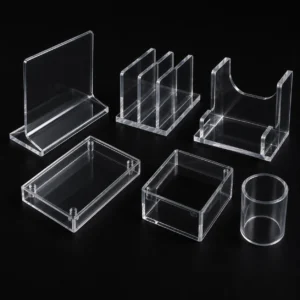
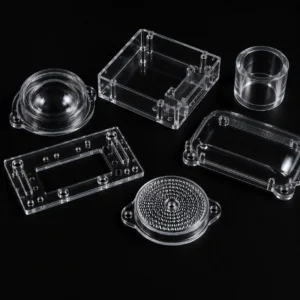
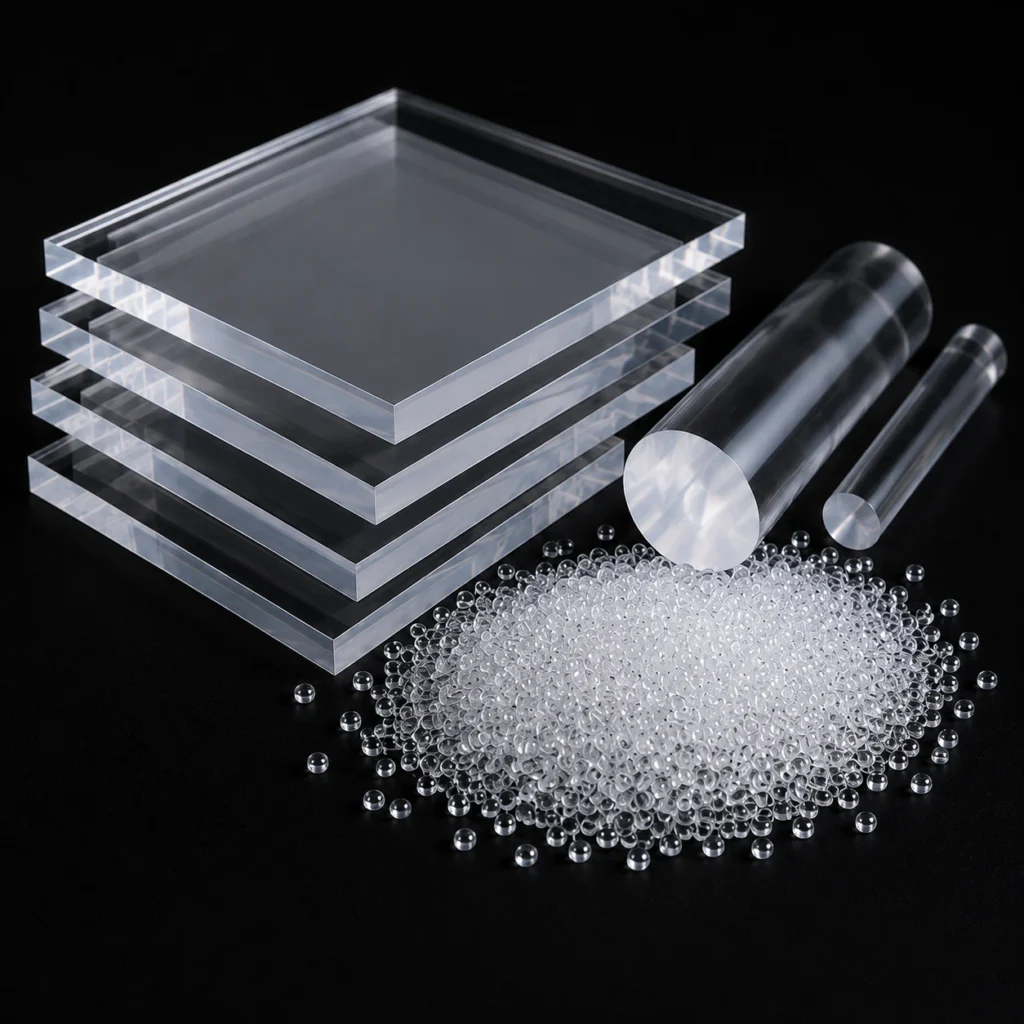
PMMA, also known as acrylic, is a transparent thermoplastic material used for custom molded and machined plastic parts that require optical clarity, high surface gloss, light transmission, and good appearance quality.
Yinuo Mold supports PMMA and acrylic material review, acrylic injection molding, PMMA mold design, CNC PMMA prototype machining, low-volume production, and mass production based on customer drawings, 3D files, transparency requirements, tolerance needs, surface finish requirements, and final application conditions.
What Is PMMA Acrylic Material?
PMMA is a clear plastic material often selected when a part needs transparency, polished appearance, light transmission, or a glass-like visual effect. It is commonly used for display parts, covers, panels, windows, lenses, light guide components, and transparent housings.
Compared with PC material, PMMA usually provides better optical clarity and surface gloss. However, PC generally provides better impact resistance, so material selection should be reviewed according to the final application.
Advantages of PMMA and Acrylic Parts
- Excellent transparency and optical clarity
- High surface gloss and good appearance quality
- Good light transmission performance
- Suitable for polished, frosted, matte, or transparent surfaces
- Good weather resistance compared with many common plastics
- Suitable for injection molding and CNC prototype machining
- Available in clear, translucent, frosted, black, white, and custom colors
- Suitable for display, lighting, electronics, appliance, and industrial applications
Acrylic Injection Molding
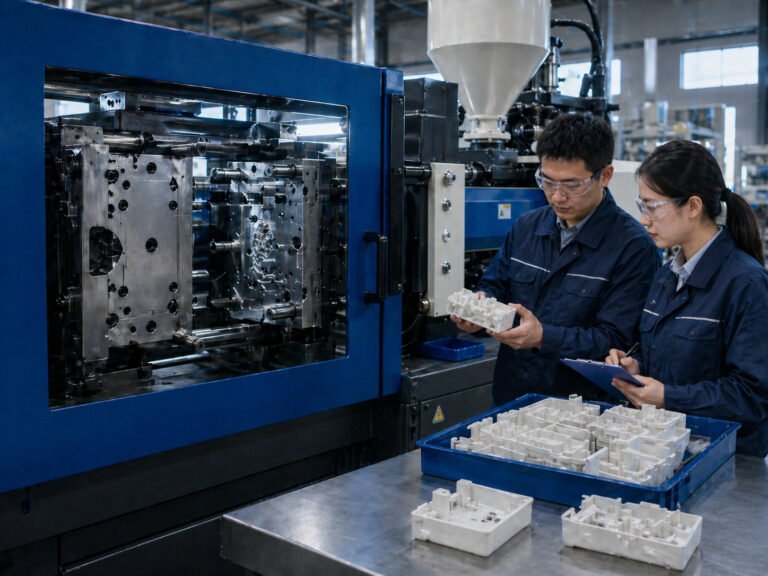
Acrylic injection molding is used to produce transparent covers, light-transmitting parts, display components, cosmetic housings, windows, lenses, and clear plastic parts with stable batch quality.
For PMMA injection molding projects, mold design should consider material flow, shrinkage, gate position, surface finish, polishing requirements, parting line, wall thickness, stress marks, and transparency requirements. For appearance parts, mold polishing and careful molding control are especially important.
PMMA Mold and Tooling Considerations
PMMA mold projects require careful review of part geometry, wall thickness, gate location, ejector position, surface texture, polishing level, transparency requirements, and visible surface areas.
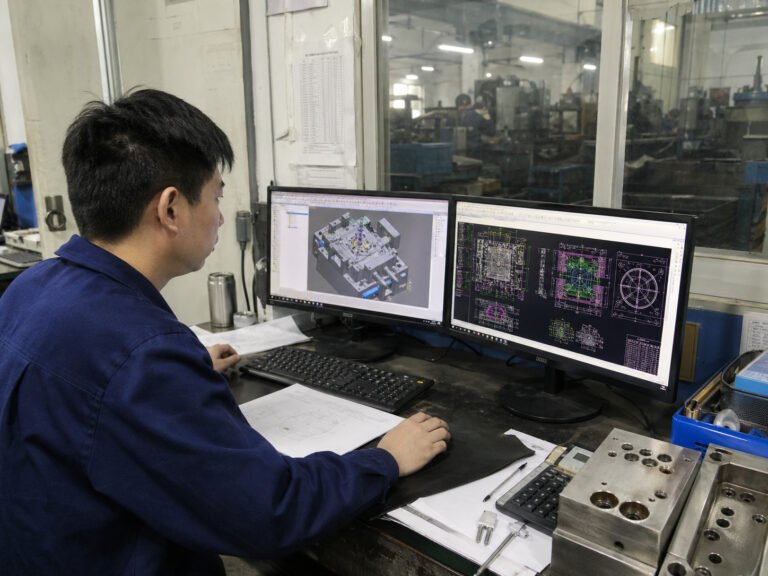
Customers are encouraged to provide 2D drawings, 3D files, material grade requirements, color requirements, optical requirements, surface finish notes, tolerance requirements, and expected production quantity before mold design and quotation.
CNC PMMA Machining
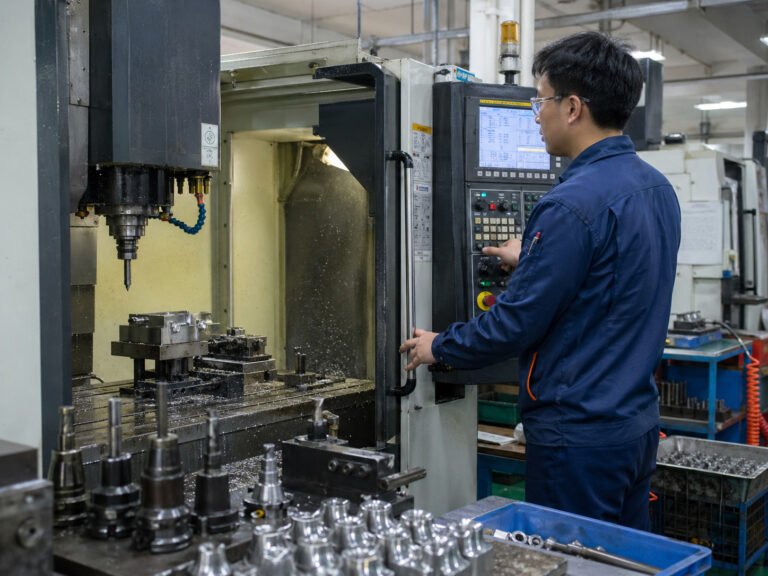
For prototype or low-volume projects, PMMA can be machined from acrylic sheet, rod, or block material. CNC PMMA machining is suitable for transparent prototype covers, panels, display parts, windows, lenses, and custom acrylic components before injection mold investment.
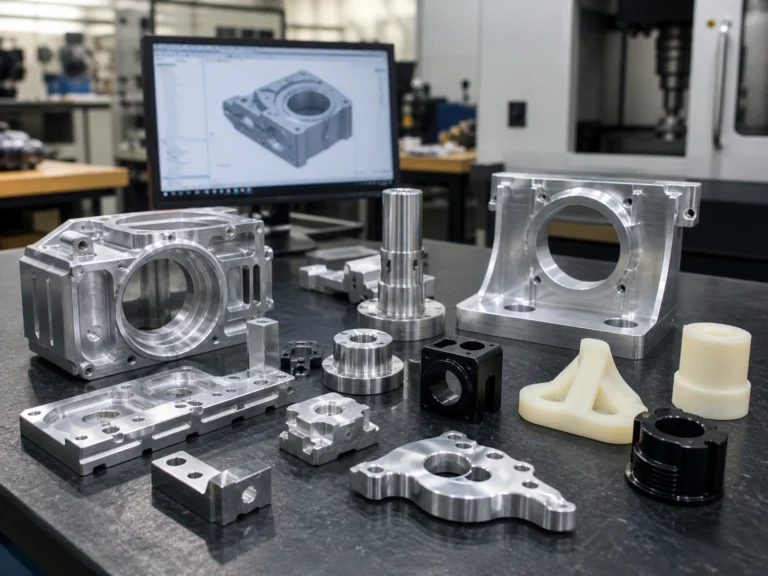
Machined acrylic parts can be further polished, frosted, drilled, tapped, bonded, or finished depending on the project requirements. For optical or appearance parts, machining marks and polishing requirements should be confirmed before production.
PMMA and Acrylic Parts We Can Support
- Acrylic injection molded covers
- PMMA transparent housings
- CNC machined acrylic panels
- Clear display windows
- Light guide components
- Transparent protective covers
- Optical plastic parts
- Lighting components
- Consumer electronics clear covers
- Custom acrylic prototype parts
PMMA vs PC Material
PMMA and PC are both commonly used for transparent plastic parts. PMMA is often preferred for optical clarity, surface gloss, and glass-like appearance. PC is often selected when higher impact resistance and toughness are required.
If your project requires transparent plastic components, our team can review the application, impact requirements, appearance needs, cost target, and production quantity to help select a suitable material.
Design Considerations for PMMA Parts
When designing PMMA or acrylic parts, important factors include wall thickness, sharp corners, gate location, shrinkage, internal stress, surface finish, polishing requirements, transparency requirements, and assembly structure.
For clear appearance parts, visible surfaces, critical optical areas, surface roughness, and polishing requirements should be clearly marked on the drawing so that mold design and inspection can focus on the most important areas.
Typical Applications
- Transparent covers and windows
- Display panels and light guide parts
- Lighting components
- Consumer electronics covers
- Home appliance transparent parts
- Industrial equipment windows
- Instrument panels
- Optical and cosmetic plastic components
- Custom acrylic prototype parts
Request PMMA or Acrylic Parts Quote
Send us your 2D drawings, 3D files, material requirements, transparency requirements, quantity, tolerance notes, surface finish requirements, and application details. Our team will review your PMMA material selection, mold feasibility, machining process, and production plan for custom acrylic parts.