Robotics and Automation Parts Manufacturing Support
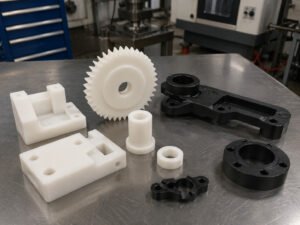
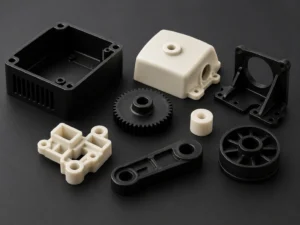
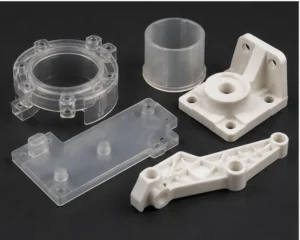
Yinuo Mold provides custom manufacturing support for robotics and automation parts, including precision CNC machined components, die cast parts, plastic injection molded parts, automation equipment housings, brackets, fixtures, connectors, shafts, covers, and functional assemblies.
We support CNC machining, CNC milling, CNC turning, die casting, injection molding, mold making, prototyping, low-volume production, and mass production based on customer drawings, 3D files, material requirements, tolerance needs, surface finish requirements, and application conditions.
CNC Machining for Robotics Parts
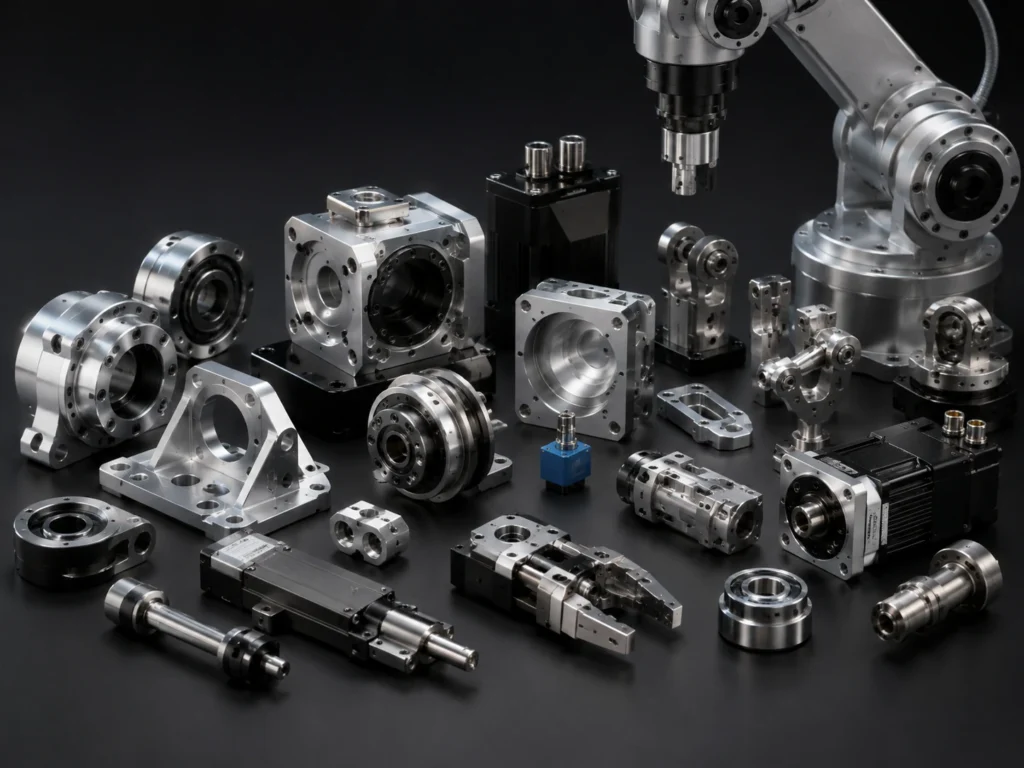
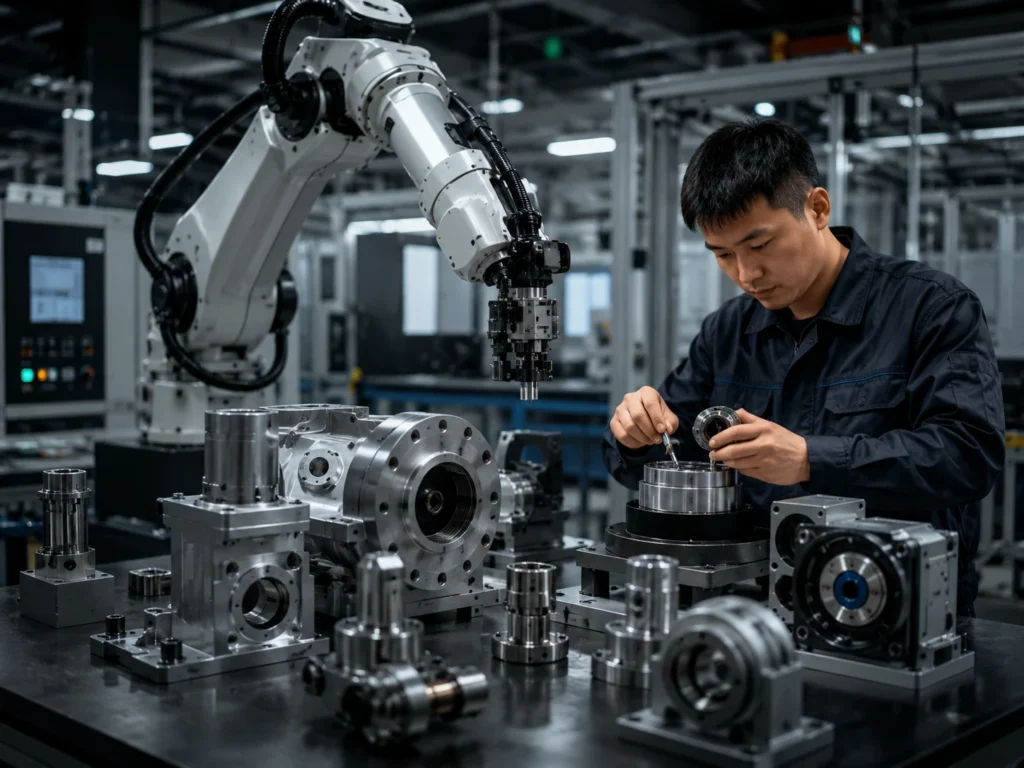
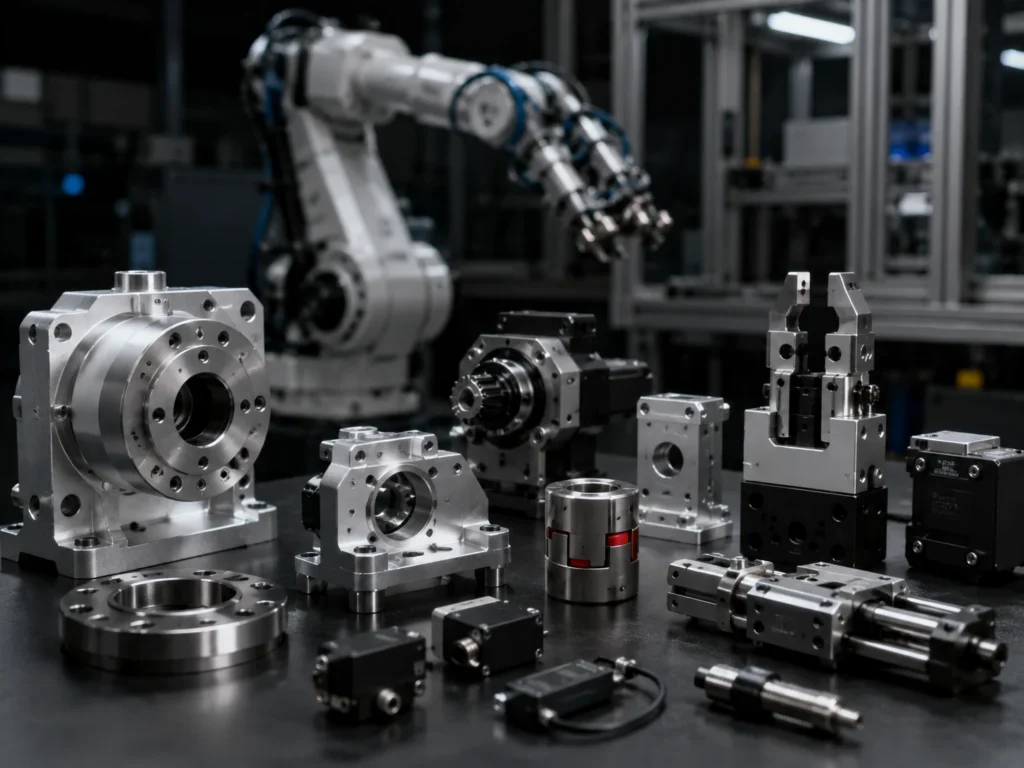
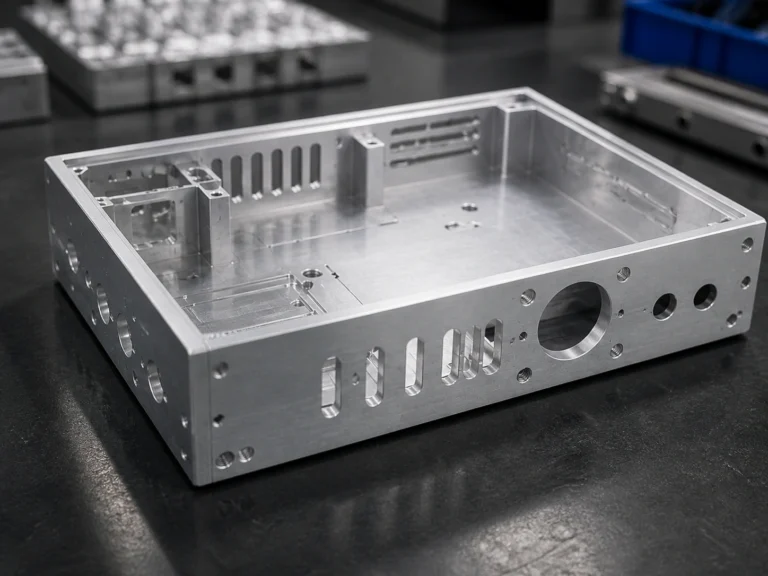
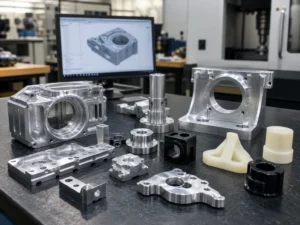
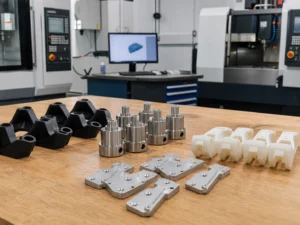
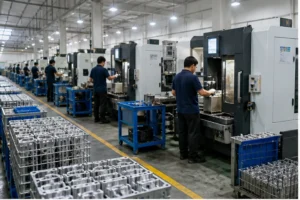
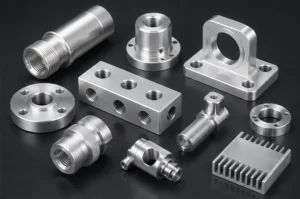
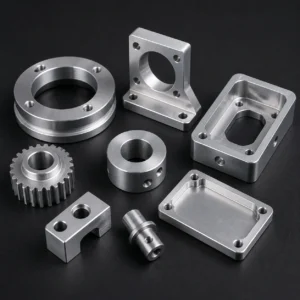
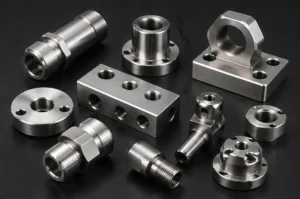
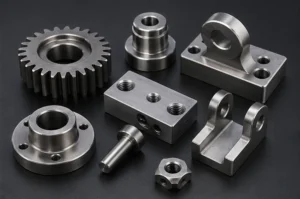
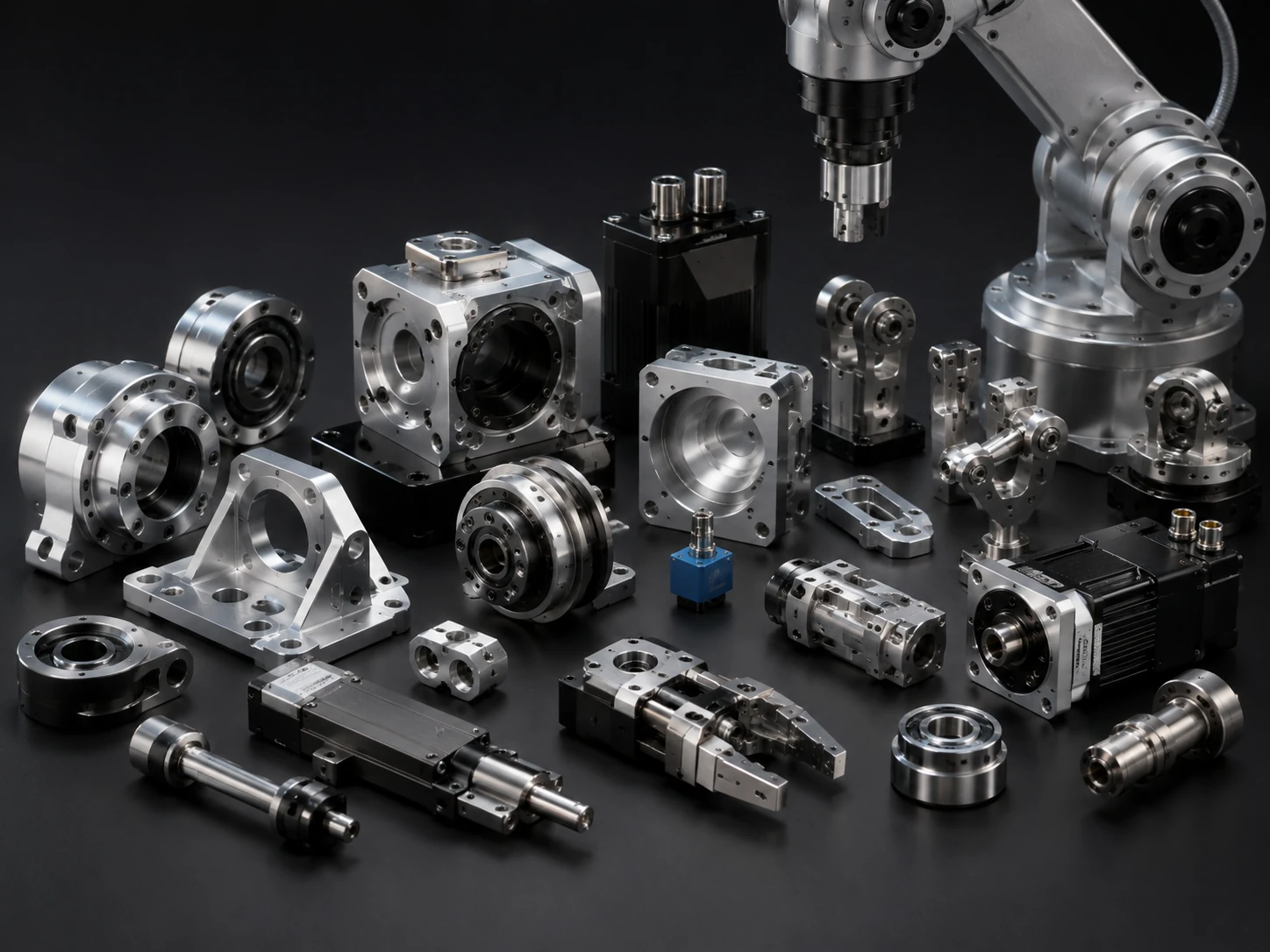
CNC machining is commonly used for robotics and automation components that require dimensional accuracy, stable assembly performance, and reliable mechanical strength. Typical CNC machined robotics parts include brackets, mounting plates, shafts, sleeves, motor housings, sensor mounts, end-effector components, aluminum housings, and custom mechanical parts.
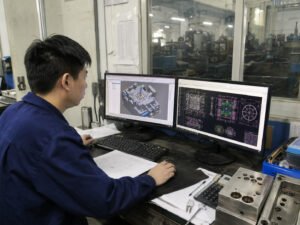
For CNC robot part projects, customers are encouraged to provide complete 2D drawings, 3D files, material grade requirements, tolerance notes, surface finish requirements, and assembly requirements before quotation.
CNC Automation Components
CNC automation components are widely used in industrial automation equipment, robotic systems, production fixtures, inspection systems, conveyor equipment, machine frames, and custom mechanical assemblies.
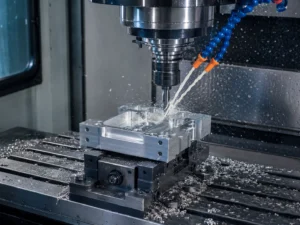
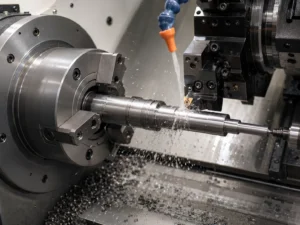
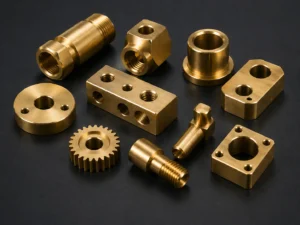
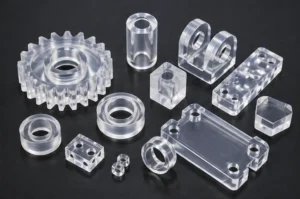
CNC milling can support complex housings, plates, brackets, blocks, slots, pockets, and mounting structures. CNC turning can support shafts, pins, bushings, sleeves, spacers, threaded parts, and round precision components.
Die Casting Automation Parts
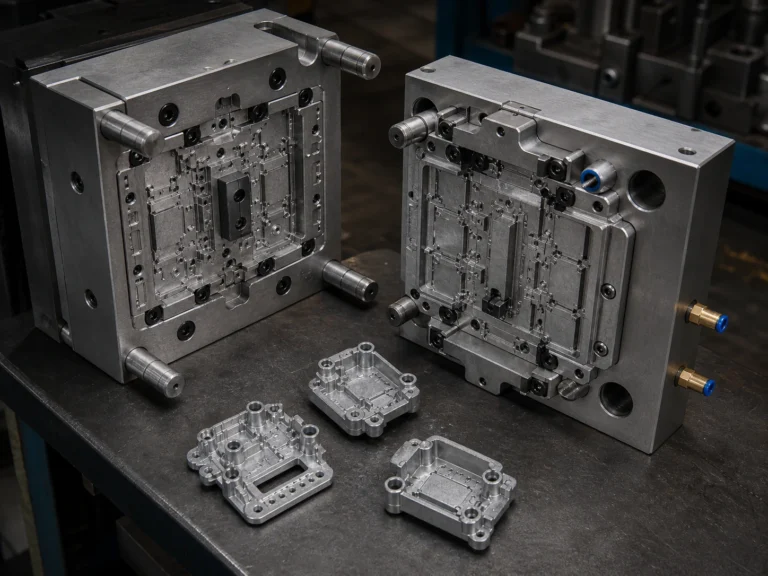
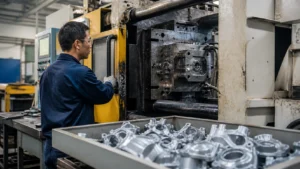
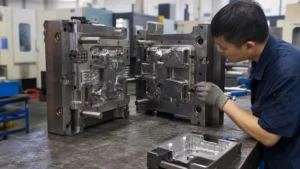
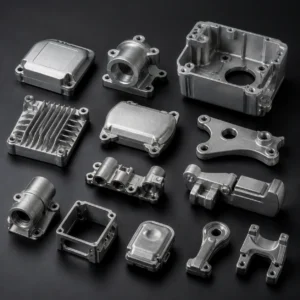
Die casting can be used for automation equipment housings, motor housings, gear housings, sensor enclosures, covers, brackets, and structural metal parts when the project requires stable batch production and complex metal part geometry.
For die casting automation parts, mold design should consider material selection, wall thickness, ribs, bosses, gate position, shrinkage, porosity control, machining allowance, surface finish, and final assembly requirements.
Plastic Injection Molding for Automation Equipment
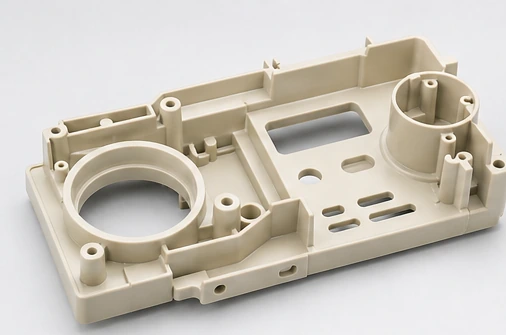
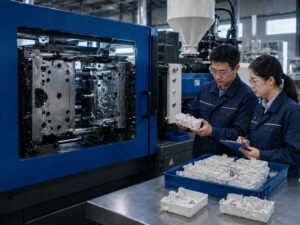
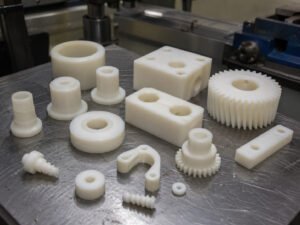
Plastic injection molding can be used for automation equipment covers, protective housings, connector parts, cable management parts, sensor covers, control device housings, and functional plastic components.
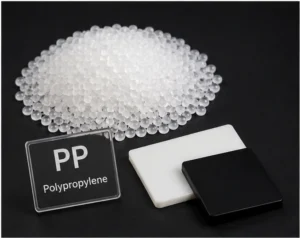
Common plastic materials may include ABS, PC, POM, nylon, PP, PBT, PET, and other engineering plastics depending on strength, dimensional stability, wear resistance, insulation performance, heat resistance, and application conditions.
Robotics and Automation Parts We Can Support
- Robotic arm brackets and mounting parts
- Automation equipment housings
- Sensor mounts and connector components
- Motor housings and mechanical covers
- CNC machined shafts, sleeves, and bushings
- End-effector components and gripper parts
- Die cast aluminum or zinc alloy housings
- Plastic injection molded covers and enclosures
- Testing fixtures and assembly fixtures
- Custom mechanical components for automation systems
Materials for Robotics and Automation Parts
Common materials for robotics and automation parts include aluminum alloy, stainless steel, steel, brass, zinc alloy, and engineering plastics such as POM, nylon, ABS, PC, PP, PBT, and PET.
Aluminum alloy is often selected for lightweight machined housings, brackets, and structural components. Stainless steel can be used for parts requiring strength or corrosion resistance. POM and nylon are suitable for wear-resistant plastic components, while ABS and PC are commonly used for molded housings and covers.
Quality Control for Robotics and Automation Components
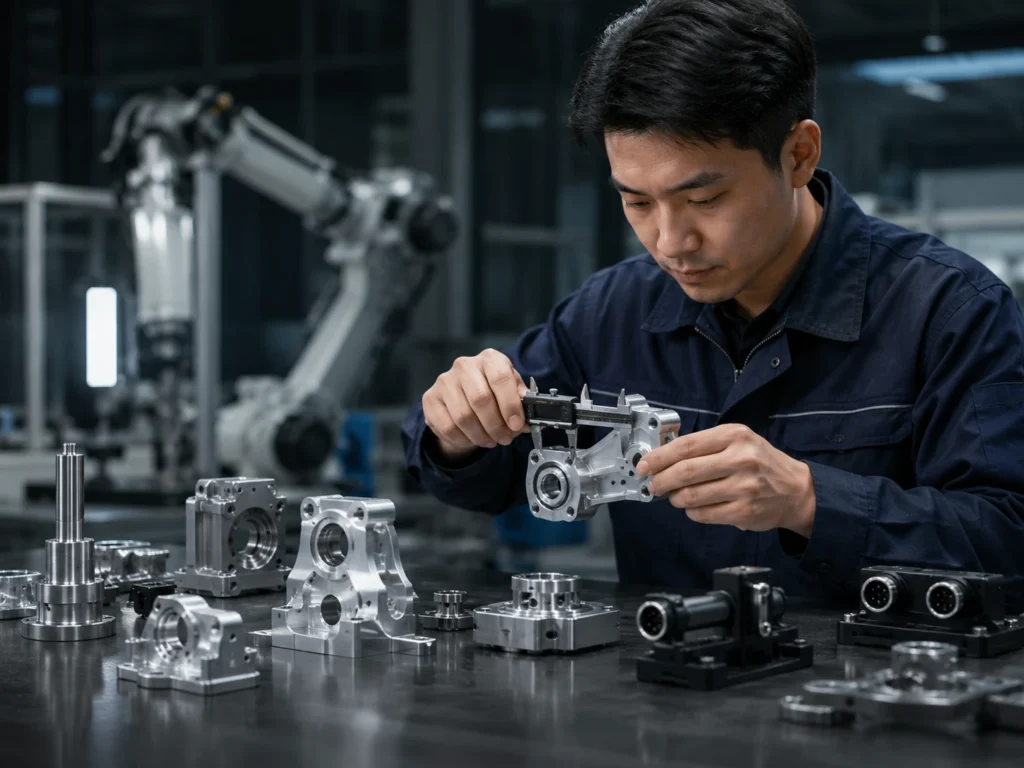
Quality control starts from drawing review, material confirmation, process planning, mold design review, machining review, and inspection planning. During production, key dimensions can be checked to maintain repeatability and reduce batch variation.
Inspection can include dimensional checks, hole and thread inspection, surface finish review, flatness check, assembly fit check, appearance inspection, and final packing confirmation. For parts with moving or assembly functions, critical mating surfaces and functional dimensions should be clearly marked on the drawing.
Design Considerations
When designing robotics and automation parts, important factors include material grade, tolerance, strength, weight, wear resistance, surface finish, mounting structure, assembly method, and production volume.
For machined metal parts, machining allowance, hole positions, threads, flatness, and surface treatment should be reviewed. For molded plastic parts, wall thickness, ribs, bosses, shrinkage, draft angle, gate location, and assembly structure should be considered before mold making.
Typical Applications
- Industrial robot components
- Automation equipment parts
- CNC automation components
- Robotic arm brackets and mounts
- Sensor and connector housings
- Motor and mechanical components
- Machine fixture and tooling parts
- Conveyor and production line components
- Custom die casting automation parts
- Custom plastic molded automation parts
Request Robotics and Automation Parts Quote
Send us your 2D drawings, 3D files, material requirements, quantity, tolerance notes, surface finish requirements, and application details. Our team will review your robotics or automation part design and recommend a suitable manufacturing process for prototype, low-volume, or production needs.