Brass

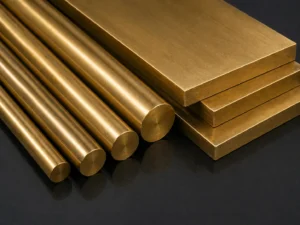
Brass is a commonly used copper alloy for custom CNC machined parts. It has good machinability, corrosion resistance, electrical conductivity, and a clean surface appearance, making it suitable for fittings, connectors, bushings, threaded parts, and precision metal components.

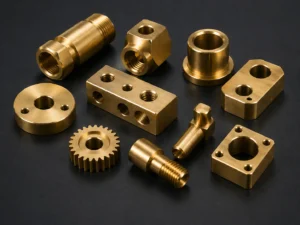
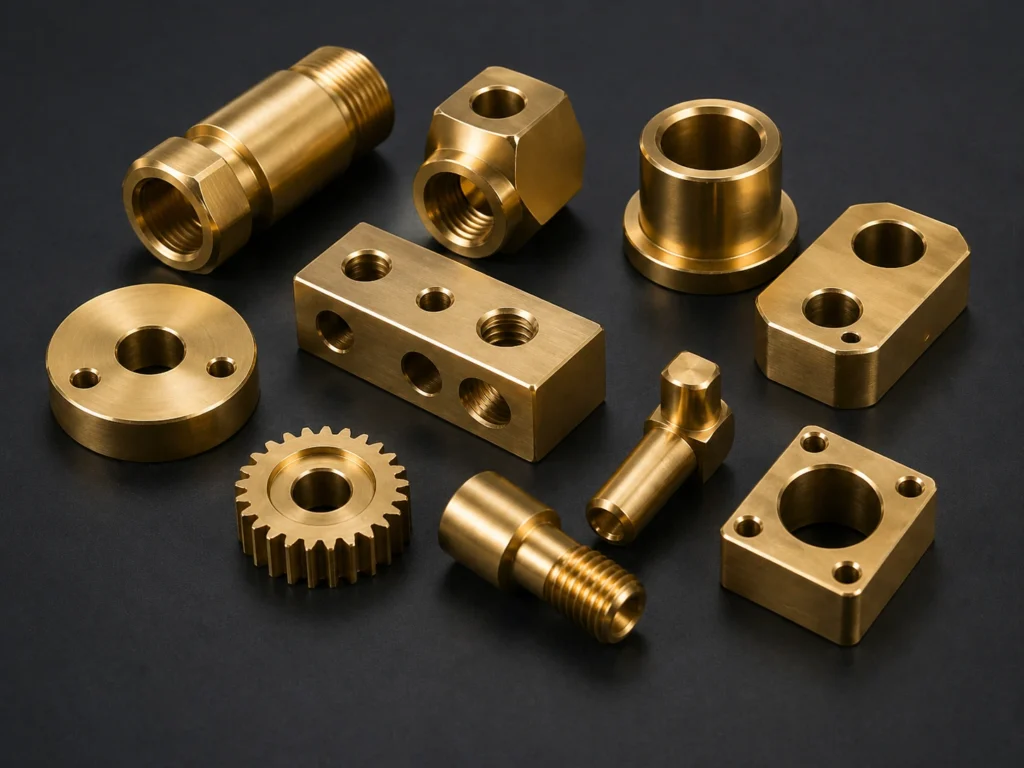
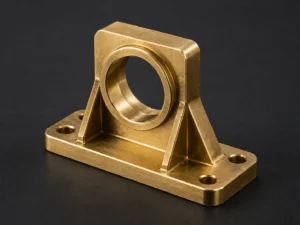
Brass CNC machined parts including fittings connectors gears and threaded components
6Specifications
5Processes
1Material Type
Material Data

Performance Specifications

Key engineering properties arranged for faster material comparison and project evaluation.

Good Machinability
Brass is easy to machine and suitable for precision CNC turned and milled parts.
Corrosion Resistance
Brass provides suitable corrosion resistance for many indoor, mechanical, and fluid-related applications.
Electrical Conductivity
Brass can be used for parts that require moderate electrical conductivity, depending on the application.
Wear Resistance
Brass can be suitable for bushings, fittings, and mechanical parts that require stable wear performance.
Threading Performance
Brass is often used for threaded parts, inserts, connectors, and fittings because of its good machining behavior.
Surface Appearance
Brass has a clean metallic appearance and can support polishing, plating, and other surface finishes.
Engineering Guide

Material Overview

Brass Material for Custom CNC Machining

Brass is a widely used copper alloy for custom CNC machined parts. It is suitable for projects that require good machinability, corrosion resistance, moderate electrical conductivity, wear resistance, and a clean metal appearance.

At Yinuomold, brass can be used for CNC machined components depending on the part structure, tolerance requirements, surface finish needs, working environment, and production quantity.

Key Features of Brass

Brass may offer the following material characteristics:

– Good CNC machinability
– Corrosion resistance
– Moderate electrical conductivity
– Wear resistance
– Good threading performance
– Clean metallic appearance
– Suitable for precision turned parts

Brass is often selected for small precision components, fittings, connectors, inserts, and functional metal parts.

Applicable Manufacturing Processes

Brass is mainly suitable for:

– CNC machined metal parts
– CNC turned components
– CNC milled components
– Prototype metal parts
– Low-volume production parts
– Precision custom components

Typical Applications

Brass is commonly used in:

– Fittings
– Connectors
– Bushings
– Inserts
– Threaded parts
– Valves
– Electrical components
– Precision turned parts
– Custom CNC machined metal components

Surface Finish Options

Brass parts may require different surface finishes depending on appearance, corrosion resistance, conductivity, or product usage.

Common options may include:

– Polishing
– Plating
– Brushing
– Passivation-related cleaning
– Surface deburring

Project Evaluation

For brass parts, we usually review the drawing, part size, tolerance requirements, material grade, surface finish, working environment, and production quantity before confirming the suitable CNC machining process.

The final material and process should be selected according to part function, dimensional requirements, surface requirements, cost, and production volume.
Typical Applications

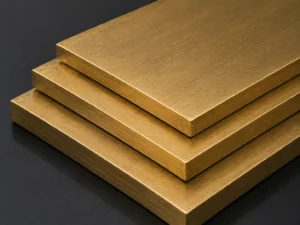
Brass is commonly used for fittings, connectors, bushings, inserts, threaded parts, valves, electrical components, precision turned parts, and custom CNC machined metal components.

Manufactured Examples

Material Applications

Representative parts and manufacturing examples presented in a consistent visual grid.

Production Support

Related Services & Projects

Relevant manufacturing capabilities and project examples connected with this material.

Material Consultation

Is This Material Right for Your Project?

Share your CAD files, application, target quantity and performance requirements. Yinuomold will review manufacturability and recommend a suitable material, process and quotation route.